The Travel and Tourism Industry
Turkey (Türkiye) is one of the world’s most important travel and tourism destinations, combining an extraordinary geographical position, diverse landscapes, ancient civilizations, cultural heritage, Mediterranean and Aegean coastlines, modern cities, internationally recognized hospitality services and a well-developed transportation network.
Situated between Europe and Asia, Turkey occupies a distinctive position in international tourism. It connects European, Middle Eastern, Central Asian and Mediterranean markets while offering visitors a wide range of travel experiences. From the historic streets of Istanbul and the archaeological landscapes of Anatolia to the beaches of Antalya, the thermal springs of Pamukkale, the mountain resorts of Eastern Anatolia and the natural formations of Cappadocia, the country has developed a diversified tourism industry capable of attracting different categories of travelers throughout the year.
Tourism is one of Turkey’s major economic activities. It generates foreign currency, creates employment, supports transportation and construction, stimulates food production, encourages international investment and contributes to the development of thousands of small and medium-sized businesses.
The Turkish travel industry is not limited to traditional holidays. It includes accommodation, aviation, cruise tourism, road transportation, travel agencies, tour operators, cultural tourism, medical tourism, business travel, religious tourism, sports tourism, yacht chartering, gastronomy, rural tourism, eco-tourism and numerous specialized travel services.
Over recent decades, Turkey has transformed itself into a major international tourism hub. Its large airport infrastructure, extensive hotel capacity, internationally recognized resort destinations, competitive hospitality sector and strategic geographic position have helped establish it among the leading countries in global tourism.
This article examines the Turkish travel and tourism industry in detail, including its history, economic importance, infrastructure, tourism regions, accommodation sector, transportation systems, major tourism activities, investment opportunities, challenges and future development.
2. Geographical Advantages and Tourism Potential
Turkey’s geographical diversity is one of the most important foundations of its tourism industry.
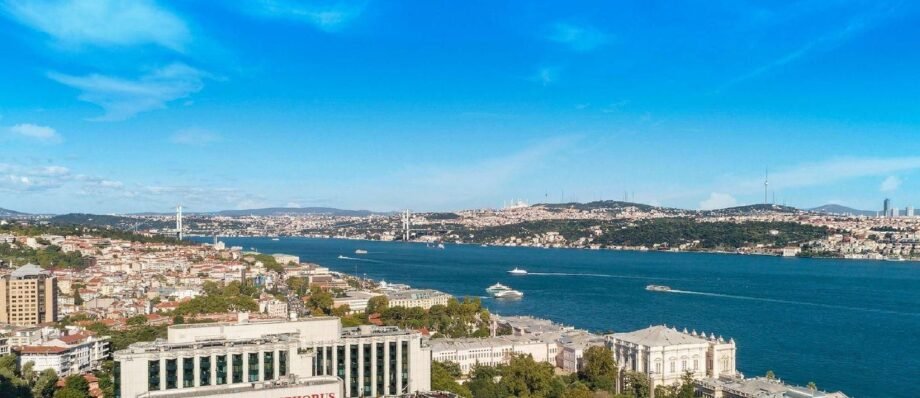
The country occupies the Anatolian Peninsula in Western Asia and a smaller European territory known as Eastern Thrace. The two territories are separated by the Bosphorus and connected through Istanbul, one of the world’s most important intercontinental cities.
Turkey has coastlines along four major bodies of water:
- The Mediterranean Sea in the south.
- The Aegean Sea in the west.
- The Black Sea in the north.
- The Sea of Marmara in the northwest.
This extensive coastline provides opportunities for beach holidays, sailing, cruise tourism, diving, fishing, water sports and coastal resort development.
The country’s interior is equally diverse. Central Anatolia contains extensive plateaus, historical settlements and volcanic landscapes. Eastern Anatolia has high mountains, lakes and winter sports destinations. Southeastern Anatolia is famous for its archaeological heritage, ancient settlements and traditional culinary culture.
Turkey’s geographical advantages include:
Climate diversity: Mediterranean climates along the southern and western coasts, humid conditions around the Black Sea, continental climates in Central and Eastern Anatolia and transitional climates around Marmara.
Natural attractions: Mountains, forests, national parks, lakes, rivers, caves, waterfalls, canyons, thermal springs and geological formations.
Historical geography: Ancient Greek, Roman, Byzantine, Seljuk and Ottoman settlements, monuments and archaeological sites.
Strategic location: Convenient connections between Europe, Asia, Africa and the Middle East.
These characteristics allow Turkey to develop tourism products for practically every season.
3. Historical Development of the Turkish Tourism Industry
Tourism in Turkey developed gradually from a relatively limited international activity into a major national economic sector.
Early tourism and the Ottoman period
Travel to the territories of modern Turkey has a history stretching back thousands of years. Ancient Anatolia was an important destination for merchants, pilgrims, scholars, diplomats and explorers.
During the Roman and Byzantine periods, cities such as Ephesus, Constantinople, Pergamon, Smyrna and Hierapolis were important centers of commerce, religion and administration.
During the Ottoman Empire, Istanbul became a major international destination for diplomats, merchants, travelers and cultural visitors. However, modern leisure tourism did not yet exist as a large commercial industry.
Early Republican period
Following the establishment of the Republic of Turkey in 1923, the government gradually began developing modern transportation, accommodation and tourism services.
Istanbul remained the country’s principal international gateway. Historical monuments, archaeological sites and cultural attractions attracted increasing numbers of foreign visitors.
Tourism expansion during the 1960s–1980s
The development of international aviation, highways, hotels and coastal infrastructure helped tourism expand.
The Mediterranean and Aegean regions gradually became major holiday destinations. Antalya, Bodrum, Marmaris, Kuşadası and Çeşme began attracting international visitors.
Government policies increasingly recognized tourism as a source of foreign currency and economic development.
International expansion during the 1990s–2000s
The 1990s and early 2000s were important periods for the modernization of the Turkish tourism industry.
International hotel chains, large resort complexes, tour operators and charter airlines expanded their operations.
Antalya became one of the Mediterranean’s most important package-holiday destinations. Istanbul developed into a major city-break destination, while Cappadocia, Pamukkale and other cultural destinations gained international visibility.
Modern tourism development
During the 2010s and 2020s, Turkey diversified its tourism products and strengthened its international position.
New airports, high-speed railways, highways, marinas, cruise terminals, luxury hotels, medical tourism facilities and digital booking services expanded the sector.
The industry also experienced significant disruptions, including the COVID-19 pandemic, geopolitical uncertainty, inflation and changes in international travel demand.
Nevertheless, Turkey’s tourism sector demonstrated considerable recovery capacity and continued developing new markets and tourism products.
4. Economic Importance of Tourism in Turkey
Tourism is a strategic component of the Turkish economy. Its economic influence extends far beyond hotels and travel agencies, connecting numerous industries through a large network of suppliers, employees, investors and service providers.
According to the Turkish Statistical Institute (TÜİK), Turkey generated approximately USD 65.23 billion in tourism income in 2025, representing an increase of 6.8% compared with 2024. The number of departing visitors recorded in the tourism statistics reached approximately 63.92 million, an increase of 2.7%. Average expenditure per visitor was approximately USD 1,008. TURKSTAT+1
Turkey’s tourism industry: important figures
| Indicator | Latest relevant figure |
|---|---|
| Tourism income, 2025 | USD 65.23 billion |
| Annual growth in tourism income | 6.8% |
| Visitors in 2025, TÜİK measure | 63.92 million |
| Average expenditure per visitor | USD 1,008 |
| Average daily expenditure | USD 100 |
| Tourism direct contribution to gross value added, 2024 | 5.1% |
| Tourism-related employment, 2024 | 3.7% of total employment |
Sources: TÜİK and OECD Tourism Trends and Policies 2026. Statistical definitions and reference years differ between indicators. TURKSTAT+2
The economic contribution of tourism can be divided into several major areas.
4.1 Foreign currency earnings
International visitors bring foreign currency into Turkey through accommodation, transportation, restaurants, shopping, entertainment, excursions and other travel-related purchases.
Tourism is particularly important because it generates service exports without requiring the physical export of manufactured goods.
4.2 Employment generation
The industry provides direct and indirect employment in:
- Hotels and accommodation establishments.
- Restaurants, cafés and catering businesses.
- Airlines and airport services.
- Travel agencies and tour operators.
- Car rental and passenger transportation.
- Cruise terminals and port services.
- Tourist attractions and museums.
- Entertainment and recreational facilities.
- Construction and property management.
- Tourism marketing and digital booking platforms.
Seasonal employment is particularly important in Mediterranean and Aegean resort areas.
4.3 Regional economic development
Tourism supports local economies, particularly in areas where industrial development is limited.
Coastal towns, mountain villages, archaeological regions and rural settlements benefit from accommodation, restaurants, transportation, handicraft production and tourism-related retail.
4.4 Investment and construction
Tourism stimulates investments in hotels, resorts, restaurants, marinas, airports, roads, shopping centers, entertainment facilities and residential developments.
It also creates demand for architectural services, engineering, construction materials, furniture, textiles, food products and professional management.
4.5 Small and medium-sized enterprises
A significant part of the tourism economy consists of smaller businesses, including:
- Family-run hotels.
- Boutique accommodation.
- Local restaurants.
- Tour and excursion operators.
- Travel consultants.
- Tourist guides.
- Car rental companies.
- Yacht charter businesses.
- Local transport providers.
- Traditional handicraft producers.
These businesses help distribute tourism income beyond large international hotel groups.
5. Main Components of the Turkish Travel Industry
The Turkish travel industry consists of interconnected commercial sectors that collectively provide services to domestic and international visitors.
5.1 Travel agencies and tour operators
Travel agencies and tour operators are essential intermediaries between travelers, accommodation providers, transportation companies and tourist attractions.
Their services include:
- International holiday packages.
- Domestic travel arrangements.
- Hotel reservations.
- Flight bookings.
- Guided sightseeing tours.
- Cultural and historical excursions.
- Cruise packages.
- Religious pilgrimage arrangements.
- Corporate travel management.
- Adventure and outdoor tourism.
- Private transportation and transfers.
Turkey has a large network of licensed travel agencies operating in major cities and resort destinations.
The Association of Turkish Travel Agencies, known as TÜRSAB, represents a significant part of the country’s organized travel industry.
International tour operators also play an important role, particularly in package holidays to Antalya, Muğla, İzmir and other coastal destinations.
5.2 Accommodation industry
Accommodation is one of the largest components of Turkish tourism.
The country offers a broad range of lodging establishments, including:
- Luxury five-star hotels.
- Four-star and three-star hotels.
- All-inclusive holiday resorts.
- Boutique hotels.
- City business hotels.
- Aparthotels.
- Holiday villages.
- Beach resorts.
- Mountain lodges.
- Ski hotels.
- Thermal hotels.
- Cave hotels.
- Guesthouses and pensions.
- Hostels.
- Rural accommodation.
- Campsites and glamping facilities.
According to Türkiye’s investment agency, the country had approximately 21,935 tourist accommodation establishments, with more than 1.019 million rooms, as of August 2025. Invest in Türkiye
The largest concentration of resort accommodation is found in Antalya and Muğla, while Istanbul has an extensive hotel market serving international visitors, business travelers and city-break tourists.
Central Anatolia, the Black Sea region and Eastern Anatolia have opportunities for smaller boutique properties and specialized accommodation.
5.3 Aviation and airline industry
Aviation is fundamental to Turkey’s international tourism competitiveness.
The country has developed an extensive airport network connecting major tourism destinations with international markets.
The principal airline is Turkish Airlines. Its extensive international network connects Istanbul with destinations across Europe, Asia, Africa, North America and other regions.
Other important operators include:
- Pegasus Airlines.
- SunExpress.
- AJet.
- Corendon Airlines.
Airlines support tourism through scheduled international flights, domestic connections, seasonal charter operations and package-holiday transportation.
5.4 Car rental and road transportation
Road transportation is essential for visitors who want to explore destinations independently.
Turkey has a large domestic and international car rental market, particularly around airports and major holiday destinations.
Car rental services are widely available in:
- Istanbul.
- Antalya.
- İzmir.
- Dalaman.
- Bodrum.
- Gazipaşa.
- Ankara.
- Nevşehir.
- Trabzon.
- Kayseri.
- Adana.
- Gaziantep.
The sector includes international rental companies, domestic operators, independent agencies, chauffeur-driven vehicles, luxury car rentals, minivans and long-term rentals.
Tourist transportation also includes airport transfers, private minibuses, intercity coaches, sightseeing buses and organized excursions.
5.5 Railway transportation
Turkey has invested in modern railway infrastructure, including high-speed train connections.
The high-speed railway network connects important cities such as Ankara, Istanbul, Konya, Eskişehir and Sivas through different routes and services.
Rail transportation is useful for city-to-city tourism, particularly for visitors exploring Central Anatolia and western Turkey.
Conventional trains also serve scenic and regional routes, including the famous Eastern Express between Ankara and Kars.
5.6 Maritime transportation and cruise tourism
Turkey’s extensive coastline supports several maritime tourism industries.
These include:
- International cruise tourism.
- Yacht chartering.
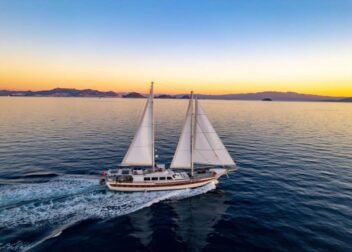
- Traditional gulet cruises.
- Private yacht rentals.
- Sailing holidays.
- Ferry transportation.
- Island excursions.
- Diving and fishing trips.
- Marina and harbour services.
Istanbul, Kuşadası, İzmir, Bodrum, Marmaris, Antalya and other coastal ports serve different categories of cruise and yacht tourism.
The Turkish Riviera, particularly the coastline between Bodrum and Antalya, is internationally recognized for its sailing opportunities.
5.7 Restaurants and gastronomy services
Food and beverage businesses are major contributors to tourism expenditure.
Turkey’s gastronomy industry includes traditional restaurants, international dining establishments, street-food vendors, seafood restaurants, cafés, bakeries, wineries, culinary schools and food-tour operators.
The country’s regional cuisine creates opportunities for specialized gastronomic tourism.
6. Major Tourism Regions of Turkey
Turkey’s tourism geography can be divided into several major regions, each with distinct natural, cultural and commercial characteristics.
6.1 Marmara Region
The Marmara Region is the country’s most important intercontinental gateway and one of its major business and cultural tourism centers.
Its tourism destinations include:
- Istanbul.
- Bursa.
- Edirne.
- Çanakkale.
- Tekirdağ.
- Yalova.
- Balıkesir.
- Kocaeli.
Istanbul is the region’s principal international tourism destination. Bursa attracts visitors interested in Ottoman heritage, thermal facilities, gastronomy and winter sports at Uludağ.
Çanakkale is internationally recognized for Troy and the Gallipoli battlefields, while Edirne is famous for Ottoman architecture and its historical mosques.
6.2 Aegean Region
The Aegean Region is one of Turkey’s most developed tourism areas.
Its combination of ancient archaeological sites, coastal towns, beaches, marinas, islands, olive-growing landscapes and traditional villages makes it especially attractive.
Major destinations include:
- İzmir.
- Çeşme.
- Alaçatı.
- Foça.
- Seferihisar.
- Selçuk.
- Kuşadası.
- Didim.
- Bodrum.
- Datça.
- Marmaris.
- Fethiye.
- Pamukkale.
The region supports beach tourism, sailing, gastronomy, archaeological tourism, rural tourism, wellness holidays and luxury accommodation.
6.3 Mediterranean Region
The Mediterranean Region contains Turkey’s most internationally recognized mass-market beach destinations.
Antalya is the dominant tourism center, offering large resort hotels, golf facilities, archaeological attractions, marinas and extensive beaches.
Other important destinations include:
- Alanya.
- Side.
- Belek.
- Kemer.
- Kaş.
- Kalkan.
- Finike.
- Demre.
- Adrasan.
- Çıralı.
- Mersin.
- Adana.
- Hatay.
The region is particularly important for all-inclusive tourism, family holidays, luxury resorts, sports tourism, diving and yacht chartering.
6.4 Central Anatolia
Central Anatolia offers a different tourism experience, with historical cities, archaeological sites, volcanic landscapes, religious heritage and traditional settlements.
Its major destinations include:
- Ankara.
- Nevşehir.
- Göreme.
- Ürgüp.
- Avanos.
- Kayseri.
- Konya.
- Aksaray.
- Eskişehir.
- Sivas.
Cappadocia is the region’s most internationally recognized tourism destination, famous for fairy chimneys, underground cities, cave hotels, hiking trails and hot-air balloon flights.
Konya attracts religious and cultural visitors through the heritage of Mevlana Jalaluddin Rumi and the Whirling Dervish tradition.
6.5 Black Sea Region
The Black Sea Region is characterized by green mountains, forests, tea plantations, traditional villages, rivers, waterfalls and highland settlements.
Important destinations include:
- Trabzon.
- Rize.
- Artvin.
- Ordu.
- Giresun.
- Samsun.
- Sinop.
- Amasra.
- Safranbolu.
- Bolu.
- Kastamonu.
The region is suitable for nature tourism, hiking, photography, rural accommodation, culinary experiences, cultural tourism and highland holidays.
Safranbolu is particularly famous for its Ottoman-era houses and historic urban environment.
6.6 Eastern Anatolia
Eastern Anatolia is one of Turkey’s most geographically diverse regions, with high mountains, large lakes, historical monuments and winter sports destinations.
Major tourism centers include:
- Erzurum.
- Kars.
- Van.
- Ağrı.
- Malatya.
- Elazığ.
- Bitlis.
- Erzincan.
- Tunceli.
- Muş.
Popular attractions include Mount Ararat, Lake Van, Akdamar Island, Ani archaeological site, Palandöken ski resort and the Eastern Express railway experience.
This region has considerable potential for winter tourism, cultural tourism, mountain tourism and archaeological exploration.
6.7 Southeastern Anatolia
Southeastern Anatolia is one of Turkey’s richest regions in archaeological heritage and traditional culinary culture.
Its major destinations include:
- Gaziantep.
- Şanlıurfa.
- Mardin.
- Diyarbakır.
- Adıyaman.
- Batman.
- Siirt.
- Şırnak.
- Kilis.
The region is particularly important for ancient history, religious tourism, gastronomy, traditional architecture and archaeological research.
Göbeklitepe, near Şanlıurfa, is among the most significant prehistoric archaeological discoveries in the world.
7. Major Tourism Cities and Destinations
The following cities are particularly important to the Turkish travel industry.
| Destination | Main tourism specializations |
|---|---|
| Istanbul | Cultural, historical, shopping, business, cruise |
| Antalya | Beach, resort, family, golf, luxury |
| İzmir | Coastal, cultural, gastronomy, business |
| Muğla | Sailing, beaches, luxury, yacht tourism |
| Ankara | Business, government, cultural |
| Cappadocia | Nature, history, adventure, photography |
| Bursa | Heritage, thermal, winter sports |
| Trabzon | Nature, highland, cultural |
| Gaziantep | Gastronomy, cultural, archaeological |
| Şanlıurfa | Archaeological, religious, historical |
| Mardin | Heritage, architecture, cultural |
| Kars | Winter, railway, historical |
| Erzurum | Skiing, mountain, winter sports |
| Konya | Religious, historical, cultural |
| Çanakkale | Archaeological, historical, memorial |
These destinations serve different travel markets, allowing the national industry to diversify beyond conventional coastal holidays.
8. Cultural and Historical Tourism
Turkey is among the world’s most important destinations for cultural and historical tourism.
Its territory contains archaeological remains and architectural monuments from numerous civilizations, including Hittite, Phrygian, Lydian, Greek, Roman, Byzantine, Seljuk and Ottoman societies.
Important historical attractions include:
- Hagia Sophia.
- Topkapı Palace.
- Ephesus.
- Troy.
- Pergamon.
- Hierapolis.
- Göbeklitepe.
- Mount Nemrut.
- Ani Archaeological Site.
- Göreme National Park.
Turkey also has an extensive UNESCO World Heritage portfolio. The country’s cultural heritage is an important competitive advantage for attracting visitors interested in history, archaeology, architecture and education.
Cultural tourism is particularly useful for extending visitor stays beyond traditional summer seasons.
9. Beach and Coastal Tourism
Beach tourism is one of the strongest segments of Turkey’s travel industry.
The Mediterranean and Aegean coasts provide long swimming seasons, developed resort infrastructure, beaches, marinas and numerous recreational activities.
Important coastal destinations include:
Antalya: Lara, Konyaaltı, Belek, Side, Kemer and Alanya.
Muğla: Bodrum, Marmaris, Fethiye, Ölüdeniz, Datça, Akyaka and Dalyan.
İzmir: Çeşme, Alaçatı, Foça, Seferihisar and Dikili.
Aydın: Kuşadası and Didim.
Mersin: Kızkalesi, Susanoğlu and other Mediterranean coastal settlements.
Coastal tourism supports a broad range of accommodation categories, from affordable pensions and apartments to internationally branded luxury resorts.
Water-based activities include swimming, sailing, diving, windsurfing, kiteboarding, parasailing, jet skiing, fishing and boat excursions.
10. Yacht, Sailing and Cruise Tourism
Turkey is an important international destination for sailing and yacht tourism.
The southwestern coastline, commonly marketed as the Turkish Riviera or Blue Voyage region, provides suitable conditions for sailing holidays.
10.1 Blue Cruise tourism
The traditional Turkish Blue Cruise, also known as Mavi Yolculuk, is associated with wooden gulets, coastal exploration and overnight stays in secluded bays.
Popular sailing areas include:
- Gökova Gulf.
- Hisarönü Gulf.
- Göcek.
- Fethiye.
- Marmaris.
- Bodrum.
- Datça.
- Kekova.
- Antalya.
Charter businesses offer private gulets, cabin cruises, luxury motor yachts, sailing boats and catamarans.
10.2 Marina infrastructure
Major marinas and yacht destinations include Bodrum, Marmaris, Göcek, Fethiye, Antalya, Çeşme and Kuşadası.
Marina services create additional business opportunities in yacht maintenance, provisioning, technical services, crew management, fuel supply, insurance and marine equipment.
10.3 Cruise tourism
Istanbul, Kuşadası, İzmir and other ports attract international cruise operators.
Cruise tourism benefits local businesses through passenger excursions, restaurants, shopping, museums, guides and ground transportation.
11. Gastronomy and Culinary Tourism
Turkish cuisine is an important part of the country’s tourism identity.
Its culinary traditions reflect influences from Anatolian, Ottoman, Central Asian, Mediterranean, Balkan, Middle Eastern and Caucasian cultures.
Visitors frequently travel to Turkey specifically to experience its regional food traditions.
Major gastronomic destinations include:
- Gaziantep: baklava, pistachio dishes and traditional kebabs.
- Hatay: diverse regional cuisine and mezze.
- Adana: Adana kebab.
- Şanlıurfa: traditional kebabs and regional dishes.
- İzmir: Aegean cuisine, seafood and olive-oil dishes.
- İstanbul: historic restaurants and international dining.
- Bursa: İskender kebab.
- Kayseri: mantı and pastırma.
- Trabzon: Black Sea cuisine and anchovy dishes.
- Mardin: traditional southeastern Anatolian food.
Food tourism includes culinary walking tours, cooking workshops, traditional markets, food festivals, vineyard visits, olive oil tourism and restaurant experiences.
12. Medical and Health Tourism
Medical tourism has become an important specialized segment of the Turkish travel industry.
Turkey attracts international patients seeking medical services combined with accommodation, transportation and recovery arrangements.
Popular medical tourism services include:
- Dental treatments.
- Hair transplantation.
- Plastic and reconstructive surgery.
- Ophthalmology.
- Orthopedic procedures.
- Cardiovascular treatments.
- Fertility treatments.
- Oncology services.
- Rehabilitation.
- General medical consultations.
Istanbul, Ankara, İzmir, Antalya and other large cities contain hospitals and specialized medical facilities serving international patients.
Health tourism also includes wellness travel, spa treatments, thermal accommodation and rehabilitation programs.
However, medical tourism requires strict attention to professional licensing, patient safety, transparent pricing, clinical standards and post-treatment care. Travel agencies should work with properly authorized medical providers rather than making unsupported medical promises.
13. Thermal Tourism and Wellness Industry
Turkey has extensive geothermal resources that support thermal tourism and wellness services.
Thermal destinations include:
- Pamukkale and Karahayıt.
- Afyonkarahisar.
- Yalova.
- Bursa.
- Kütahya.
- Balıkesir.
- Ankara.
- Nevşehir.
- İzmir.
- Bolu.
Thermal hotels combine accommodation with spa facilities, thermal pools, wellness programs and traditional bathing services.
This tourism category is particularly useful for attracting visitors during autumn, winter and spring.
14. Winter Sports and Mountain Tourism
Although Turkey is internationally associated with summer beach holidays, winter tourism is also an important development area.
The country has numerous mountain destinations suitable for skiing, snowboarding, mountaineering and winter recreation.
Major ski centers include:
| Ski destination | Province |
|---|---|
| Uludağ | Bursa |
| Palandöken | Erzurum |
| Erciyes | Kayseri |
| Kartalkaya | Bolu |
| Sarıkamış | Kars |
| Davraz | Isparta |
| Ilgaz | Kastamonu / Çankırı |
| Kartepe | Kocaeli |
Winter tourism helps reduce the seasonal dependence of the accommodation industry and creates employment outside the traditional summer period.
15. Nature, Adventure and Ecotourism
Turkey’s mountains, forests, valleys, lakes and national parks create opportunities for outdoor tourism.
Popular activities include:
- Hiking and trekking.
- Mountain climbing.
- Cycling.
- Paragliding.
- Rafting.
- Canyoning.
- Cave exploration.
- Birdwatching.
- Wildlife observation.
- Camping.
- Photography.
- Horse riding.
- Nature excursions.
Important outdoor tourism areas include the Lycian Way, Kaçkar Mountains, Aladağlar National Park, Köprülü Canyon, Munzur Valley, Saklıkent Canyon, Lake Van and the forests of the Black Sea region.
The Lycian Way is particularly popular among international hikers, offering a long-distance route through Mediterranean landscapes, coastal settlements and archaeological sites.
Responsible ecotourism can support rural communities while protecting fragile natural environments.
16. Religious and Spiritual Tourism
Turkey has an exceptional religious and spiritual heritage connected to several major religious traditions.
Islamic heritage
Important destinations include:
- Sultan Ahmed Mosque in Istanbul.
- Süleymaniye Mosque.
- Mevlana Museum in Konya.
- Eyüp Sultan Mosque in Istanbul.
- Ulu Cami in Bursa.
- Şanlıurfa’s historical religious sites.
Christian heritage
Important destinations include:
- House of the Virgin Mary near Ephesus.
- Ancient Christian churches in Cappadocia.
- St. Peter’s Church in Antakya.
- Sumela Monastery in Trabzon.
- İznik, associated with early Christian councils.
- The Seven Churches of Revelation in western Anatolia.
Jewish heritage
Istanbul, İzmir and other historic cities contain important Jewish heritage sites, including synagogues, cemeteries and historic neighborhoods.
Religious tourism creates opportunities for guided tours, educational travel, pilgrimage packages and heritage conservation.
17. Business, Conference and MICE Tourism
MICE refers to Meetings, Incentives, Conferences and Exhibitions.
Turkey has developed an important business tourism sector, particularly in Istanbul, Ankara, İzmir and Antalya.
Its facilities include:
- International conference centers.
- Exhibition venues.
- Business hotels.
- Convention hotels.
- Corporate meeting facilities.
- Exhibition halls.
- Event management companies.
- Incentive travel services.
Istanbul is especially important because of its international connectivity and large accommodation capacity.
Antalya is also a major destination for conferences, corporate meetings, sports training camps and incentive travel.
Business tourism generates demand throughout the year and helps hotels reduce dependence on leisure tourism.
18. Sports Tourism
Sports tourism includes travel for participating in or watching sporting activities.
Turkey offers opportunities in:
- Football training camps.
- International sporting competitions.
- Golf tourism.
- Tennis.
- Cycling.
- Marathon events.
- Sailing competitions.
- Scuba diving.
- Paragliding.
- Winter sports.
- Mountaineering.
- Water sports.
Antalya and Belek are particularly important for football training camps and golf holidays.
The country’s varied terrain also supports cycling and endurance sports events.
19. Domestic Tourism Market
Domestic tourism is an important part of Turkey’s overall travel economy.
Turkish residents travel extensively for holidays, family visits, religious events, shopping, business, education and weekend recreation.
Popular domestic travel destinations include:
- Istanbul.
- Antalya.
- Muğla.
- İzmir.
- Bursa.
- Cappadocia.
- Trabzon.
- Mersin.
- Çanakkale.
- Eskişehir.
Domestic travel is influenced by household purchasing power, transportation costs, accommodation prices, school holidays, public holidays and seasonal employment.
The domestic market supports hotels, restaurants, transport providers, holiday villages, camping areas and regional tourism businesses.
20. International Tourism Markets
Turkey attracts visitors from a geographically diverse collection of countries.
According to the OECD’s 2026 tourism review, the leading source markets in 2025 were:
| Source market | Share of international visitors |
|---|---|
| Russian Federation | 10.8% |
| Germany | 10.6% |
| United Kingdom | 6.5% |
OECD
Other important source markets include visitors from:
- Bulgaria.
- Iran.
- Georgia.
- Iraq.
- Poland.
- The Netherlands.
- France.
- Romania.
- Ukraine.
- Saudi Arabia.
- The United States.
- Other European and Middle Eastern countries.
The diversity of source markets provides resilience, although tourism businesses remain exposed to geopolitical developments, exchange-rate movements, airline capacity and changing consumer preferences.
21. Transportation Infrastructure and International Connectivity
Turkey’s tourism industry depends on an extensive transportation network.
International airports
Major international aviation gateways include:
| Airport | City / region |
|---|---|
| Istanbul Airport (IST) | Istanbul |
| Sabiha Gökçen Airport (SAW) | Istanbul |
| Antalya Airport (AYT) | Antalya |
| İzmir Adnan Menderes Airport (ADB) | İzmir |
| Dalaman Airport (DLM) | Muğla |
| Milas–Bodrum Airport (BJV) | Muğla |
| Ankara Esenboğa Airport (ESB) | Ankara |
| Trabzon Airport (TZX) | Trabzon |
| Kayseri Airport (ASR) | Kayseri |
| Nevşehir Kapadokya Airport (NAV) | Cappadocia region |
| Gaziantep Airport (GZT) | Gaziantep |
| Çukurova International Airport (COV) | Mersin–Adana region |
Road network
Turkey has a substantial highway and motorway network connecting major cities, airports, industrial areas and coastal destinations.
Intercity bus transportation remains an important and relatively accessible travel option.
Railways
High-speed trains, conventional passenger services and regional railways provide alternatives to domestic flights and road transport.
Maritime transport
Ferries, cruise ships, yacht services and intercity maritime connections contribute to tourism accessibility, especially in Marmara and coastal regions.
22. Digital Transformation of the Travel Industry
Technology has transformed how travelers discover, compare, purchase and experience tourism services in Turkey.
Digitalization affects almost every stage of the travel process.
Important developments include:
Online travel agencies: Digital platforms allow visitors to compare accommodation, flights, transfers and holiday packages.
Hotel booking systems: Hotels use reservation management, channel management and revenue optimization software.
Electronic payments: Digital payment systems facilitate reservations and purchases.
Digital marketing: Hotels, travel agencies and destinations use search engines, social media, video platforms and content marketing to attract customers.
Artificial intelligence: AI tools are increasingly used for customer support, itinerary planning, translation, pricing analysis and personalized recommendations.
Smart tourism: Mobile applications, digital museum tickets, electronic information systems and location-based services improve visitor experiences.
Virtual experiences: Virtual tours and online presentations help visitors evaluate destinations before travelling.
Digital transformation also creates opportunities for small tourism businesses that previously depended heavily on traditional intermediaries.
23. Government Policies and Tourism Development Strategy
The Turkish government considers tourism an important strategic economic sector.
The Ministry of Culture and Tourism is the principal public institution responsible for tourism policy, promotion, cultural heritage and related regulatory activities.
Other public institutions contribute through transportation, investment, environmental management, regional development and international promotion.
Important policy priorities include:
- Increasing tourism revenues.
- Diversifying international source markets.
- Promoting tourism throughout the year.
- Developing cultural and rural tourism.
- Expanding health and wellness tourism.
- Supporting sustainable tourism.
- Improving accommodation standards.
- Developing transportation infrastructure.
- Encouraging international investment.
- Protecting historical and natural attractions.
The OECD’s 2026 review identifies a national objective of reaching USD 100 billion in tourism revenue by 2028. It also describes policies involving sustainability certification and monitoring tourism’s carbon footprint. OECD
24. Tourism Investment Opportunities in Turkey
Turkey offers a broad range of investment opportunities because its tourism economy includes both established international destinations and less-developed regional markets.
The combination of a large domestic market, international visitor demand, existing accommodation infrastructure and geographical diversity creates opportunities for investors of different sizes.
24.1 Hotel and resort investments
Hotel development remains one of the most recognizable investment categories.
Potential projects include:
- Five-star luxury hotels.
- International hotel franchises.
- Boutique hotels.
- Beach resorts.
- All-inclusive resorts.
- Business hotels.
- Airport hotels.
- Aparthotels.
- Mountain accommodation.
- Thermal hotels.
- Eco-lodges.
- Rural guesthouses.
Antalya, Istanbul, Bodrum, Fethiye, Marmaris, İzmir and Cappadocia are established markets, while parts of Eastern and Southeastern Anatolia offer opportunities for smaller specialized properties.
24.2 Holiday apartments and serviced accommodation
Apartments and serviced residences attract families, long-stay visitors, business travelers and independent tourists.
Potential investment areas include Istanbul, Antalya, İzmir, Mersin, Muğla and Bursa.
However, investors must distinguish between licensed tourism accommodation and ordinary residential property. Short-term rental activities are subject to specific Turkish legal requirements, including permission and registration obligations.
24.3 Car rental and transportation businesses
Car rental is an important tourism service, particularly in destinations where visitors want to explore multiple towns, beaches and historical sites.
Business opportunities include:
- Economy car rentals.
- Luxury vehicle rentals.
- Airport pickup and drop-off.
- Chauffeur-driven transportation.
- Minivan and family transportation.
- Long-term vehicle rentals.
- Electric vehicle rentals.
- Private sightseeing transfers.
- Intercity transfers.
Airport-based operations are particularly important in Antalya, Istanbul, İzmir, Dalaman and Bodrum.
24.4 Yacht and marine tourism investments
Turkey’s Aegean and Mediterranean coasts offer opportunities in:
- Gulet construction and chartering.
- Motor yacht rentals.
- Sailing boat rentals.
- Yacht management.
- Marina operations.
- Marine maintenance.
- Boat excursions.
- Diving centers.
- Sailing schools.
- Marine supply businesses.
Bodrum, Marmaris, Göcek, Fethiye, Antalya and Çeşme are established centers for these activities.
24.5 Medical and wellness tourism
Investment opportunities include specialized medical facilities, international patient coordination, rehabilitation centers, wellness hotels, thermal resorts and recovery accommodation.
This sector requires appropriate healthcare authorization, professional qualifications, transparent service arrangements and compliance with applicable regulations.
24.6 Tourism technology
The digital tourism economy offers investment opportunities in:
- Online booking platforms.
- Destination management software.
- Hotel management systems.
- Tour reservation systems.
- Travel payment solutions.
- Digital marketing agencies.
- AI-based travel assistants.
- Multilingual tourism information services.
- Transportation management applications.
24.7 Rural and regional tourism
Smaller-scale investments can support local development through:
- Farm accommodation.
- Village guesthouses.
- Nature lodges.
- Traditional restaurants.
- Hiking and cycling services.
- Cultural experience centers.
- Local food production.
- Traditional handicrafts.
- Archaeological excursion services.
These projects can help distribute tourism income to communities outside the major resort regions.
25. Major International Hotel Groups Operating in Turkey
Turkey’s accommodation market includes domestic hotel companies, independent operators and international hotel brands.
Some important international hotel groups with operations in Turkey include:
| Hotel group | Main hotel categories |
|---|---|
| Hilton | Luxury, full-service, business and budget |
| Marriott International | Luxury, premium and select-service |
| Accor | Luxury, midscale and economy |
| Hyatt | Luxury and premium |
| IHG Hotels & Resorts | Luxury, business and midscale |
| Wyndham Hotels & Resorts | Midscale, economy and resort |
| Radisson Hotel Group | Premium and business |
| Four Seasons | Luxury |
| Rixos Hotels | Luxury and all-inclusive resorts |
| Barut Hotels | Luxury and resort accommodation |
| Divan Hotels | Luxury and business accommodation |
| Limak Hotels | Resort and city accommodation |
The international hotel industry contributes to professional management, global distribution networks, quality standards and international marketing.
Domestic hotel groups also play a significant role, especially in the Mediterranean and Aegean resort markets.
26. Seasonality in the Turkish Tourism Industry
Seasonality is one of the defining characteristics of Turkish tourism.
The country’s different climatic zones and tourism products allow visitors to travel throughout the year, but demand varies significantly between destinations.
| Season | Main tourism activities | Important destinations |
|---|---|---|
| Spring | Cultural tours, hiking, city breaks, nature | Istanbul, Cappadocia, Ephesus, Antalya |
| Summer | Beach holidays, sailing, swimming, family resorts | Antalya, Bodrum, Marmaris, Fethiye, Çeşme |
| Autumn | Gastronomy, archaeology, hiking, coastal holidays | İzmir, Cappadocia, Mardin, Antalya |
| Winter | Skiing, thermal tourism, city breaks | Uludağ, Erzurum, Kayseri, Bursa, Istanbul |
Summer tourism
June, July, August and September are particularly important for the Mediterranean and Aegean resort markets.
Large numbers of visitors arrive for beach holidays, all-inclusive packages, yacht cruises and family vacations.
Winter tourism
December, January and February support skiing, snowboarding, thermal tourism, urban travel and cultural excursions.
Spring and autumn tourism
These periods are suitable for archaeological tours, walking holidays, gastronomy, photography and cultural sightseeing.
One of the industry’s strategic objectives is to extend visitor stays and distribute tourism demand more evenly throughout the year.
27. International Marketing and Destination Promotion
International marketing is essential for maintaining Turkey’s competitiveness.
The country promotes itself through tourism campaigns, international exhibitions, digital marketing, airline partnerships, cultural events and cooperation with travel operators.
The national tourism identity is promoted through the official destination brand, Türkiye.
Marketing activities focus on different categories of visitors:
- Luxury travelers.
- Family holidaymakers.
- Independent travelers.
- Cultural tourists.
- Business visitors.
- Medical tourists.
- Cruise passengers.
- Adventure travelers.
- Gastronomy enthusiasts.
- Religious visitors.
- Sports tourists.
Major international tourism exhibitions and travel trade events provide opportunities for Turkish businesses to meet foreign tour operators, hotel buyers, airline representatives and destination management companies.
Digital platforms have also become increasingly important, allowing smaller destinations and independent operators to reach international customers.
28. Employment and Professional Careers in Tourism
Tourism is a major source of employment and professional development in Turkey.
The sector requires workers with different educational backgrounds, qualifications and technical skills.
Hotel and accommodation careers
- Hotel general manager.
- Front office manager.
- Receptionist.
- Reservation specialist.
- Housekeeping supervisor.
- Hotel accountant.
- Revenue manager.
- Guest relations officer.
- Food and beverage manager.
- Maintenance technician.
Travel agency careers
- Travel consultant.
- Tour operator.
- Destination manager.
- Ticketing specialist.
- Excursion coordinator.
- Tour guide.
- Travel product manager.
- Corporate travel consultant.
Transportation careers
- Airline personnel.
- Airport ground staff.
- Pilot and cabin crew.
- Car rental manager.
- Transfer coordinator.
- Bus driver.
- Yacht crew.
- Marina personnel.
Tourism technology careers
- Digital marketing specialist.
- Booking system administrator.
- Web developer.
- Tourism content writer.
- SEO specialist.
- Data analyst.
- Online distribution manager.
- Customer support specialist.
Tourism education is provided through vocational schools, universities, hospitality programs and specialized training institutions.
Foreign language skills, particularly English, German, Russian and Arabic, are valuable in many tourism markets.
29. Challenges Facing the Turkish Travel Industry
Despite its international success, the Turkish tourism sector faces several important challenges.
29.1 Inflation and operating costs
Rising food, energy, construction, transportation and personnel costs can affect hotel profitability and travel prices.
Businesses must balance operating expenses with international price competitiveness.
29.2 Exchange-rate fluctuations
Currency fluctuations influence the purchasing power of international visitors, the cost of imported equipment and the financial performance of tourism businesses.
29.3 Seasonal employment
Many coastal destinations experience strong summer demand but lower activity during winter.
This creates challenges involving employee retention, income stability and infrastructure utilization.
29.4 Environmental pressure
Mass tourism can create pressure on beaches, forests, water resources, coastal ecosystems and waste management systems.
Popular destinations require careful planning to prevent environmental degradation.
29.5 Water management
Water consumption is a particularly important issue for large resorts, golf facilities, swimming pools and densely populated coastal destinations.
Efficient irrigation, water recycling and responsible hotel management are increasingly necessary.
29.6 International competition
Turkey competes with other Mediterranean and international destinations, including:
- Greece.
- Spain.
- Italy.
- Croatia.
- Egypt.
- Portugal.
- Morocco.
- Cyprus.
- Tunisia.
Competition involves accommodation prices, service quality, air connectivity, safety, destination image and visitor experience.
29.7 Geopolitical developments
Regional instability, international conflicts, diplomatic tensions and changes in travel advisories can influence visitor demand and transportation routes.
29.8 Natural disasters and climate risks
Earthquakes, wildfires, floods, extreme heat and other natural hazards can affect tourism infrastructure and destination attractiveness.
Risk management, emergency preparedness and resilient construction are important for long-term development.
29.9 Maintaining service quality
The rapid expansion of accommodation and tourism services creates a need for consistent standards, employee training, transparent pricing and effective consumer protection.
30. Sustainable Tourism and Environmental Protection
Sustainability is becoming increasingly important to the future of Turkey’s tourism industry.
The country has been developing policies and certification systems intended to improve environmental performance and encourage responsible tourism management.
The Türkiye Sustainable Tourism Program includes progressive sustainability requirements for accommodation businesses.
The wider approach includes:
Environmental sustainability
- Reducing energy consumption.
- Improving water efficiency.
- Managing waste.
- Reducing single-use plastics.
- Protecting biodiversity.
- Encouraging renewable energy.
Social sustainability
- Supporting local employment.
- Preserving cultural traditions.
- Improving accessibility.
- Supporting local producers.
- Protecting workers’ rights.
- Encouraging community participation.
Economic sustainability
- Supporting local businesses.
- Diversifying tourism markets.
- Developing year-round tourism.
- Improving the distribution of tourism income.
- Encouraging long-term investment.
The development of sustainable tourism is particularly important in protected areas, archaeological destinations, coastal settlements and mountain ecosystems.
31. Legal and Regulatory Framework for Tourism Businesses
Businesses operating in Turkey’s travel industry must comply with relevant national and local legislation.
The regulatory requirements depend on the type of activity.
Important areas include:
- Company establishment and commercial registration.
- Tax registration.
- Tourism accommodation certification.
- Workplace opening and operating licences.
- Travel agency authorization.
- Professional tourist guide regulations.
- Passenger transportation authorization.
- Vehicle rental regulations.
- Maritime and yacht charter requirements.
- Food safety and restaurant licensing.
- Employment and social security obligations.
- Consumer protection.
- Personal data protection.
- Environmental regulations.
- Fire safety and building standards.
Travel agencies are subject to specific authorization requirements, with TÜRSAB playing an important role in the industry.
Accommodation establishments must comply with applicable tourism and workplace regulations. Short-term residential rentals are also regulated and should not be treated as automatically equivalent to licensed hotels.
Foreign investors should obtain professional legal, accounting and tax advice before establishing a tourism business.
32. Practical Travel Information for International Visitors
Turkey is accessible to international visitors through air, road, rail and maritime connections.
Entry requirements
Visa requirements depend on the visitor’s nationality, passport type, length of stay and purpose of travel.
Some nationalities qualify for visa-free entry, while others must obtain an electronic visa or apply through the relevant Turkish authorities.
Travelers should check official requirements before departure through the Turkish Ministry of Foreign Affairs and the official e-Visa portal:
Currency
The official currency is the Turkish lira (TRY).
International credit and debit cards are widely accepted in major cities, hotels, shopping centers and tourist establishments. Cash remains useful in smaller towns, local markets and some rural areas.
Language
Turkish is the official language.
English is widely used in international hotels, airports and major tourism destinations. German, Russian and Arabic are also common in certain tourism markets.
Best time to visit
The ideal travel period depends on the purpose of the trip.
- April–May: Cultural sightseeing and nature tourism.
- June–September: Beach holidays and sailing.
- September–October: Coastal holidays and cultural tours.
- December–March: Skiing and winter tourism.
Getting around
Visitors can travel by:
- Domestic flights.
- Intercity buses.
- High-speed trains.
- Conventional trains.
- Rental cars.
- Private transfers.
- Taxis.
- Urban metro systems.
- Ferries.
- Organized excursions.
Accommodation reservations
International visitors can choose from hotels, resorts, boutique accommodation, hostels, guesthouses, holiday apartments and specialized properties.
During major holidays and the summer season, advance reservations are recommended in popular coastal destinations.
Travel insurance
International travelers should consider appropriate travel insurance covering medical assistance, trip interruption, baggage and other relevant risks.
33. Recommended Tourism Routes Across Turkey
Turkey’s size and geographical diversity make multi-destination itineraries particularly attractive.
The following routes combine major destinations and different tourism experiences.
Route 1: Istanbul – Bursa – Çanakkale – İzmir
A cultural and historical route combining Ottoman heritage, archaeological attractions, coastal scenery and urban tourism.
Suggested destinations:
- Istanbul – historical monuments and Bosphorus cruises.
- Bursa – Ottoman heritage and Uludağ.
- Çanakkale – Troy and Gallipoli.
- İzmir – urban culture and Aegean gastronomy.
- Selçuk – Ephesus archaeological site.
Route 2: Antalya – Kaş – Fethiye – Marmaris – Bodrum
An excellent route for beach tourism, sailing, luxury accommodation and Mediterranean coastal exploration.
Suggested destinations:
- Antalya.
- Kemer.
- Kaş.
- Kalkan.
- Fethiye.
- Ölüdeniz.
- Göcek.
- Marmaris.
- Datça.
- Bodrum.
Route 3: Cappadocia – Konya – Ankara
A cultural and historical journey through Central Anatolia.
Suggested destinations:
- Göreme.
- Ürgüp.
- Avanos.
- Derinkuyu underground city.
- Konya.
- Ankara.
Route 4: Trabzon – Rize – Artvin
A nature-focused journey through the Black Sea region.
Suggested destinations:
- Trabzon.
- Sümela Monastery.
- Uzungöl.
- Rize.
- Ayder Plateau.
- Artvin.
- Karagöl.
Route 5: Gaziantep – Şanlıurfa – Mardin – Diyarbakır
A cultural, gastronomic and archaeological route through Southeastern Anatolia.
Suggested destinations:
- Gaziantep.
- Halfeti.
- Şanlıurfa.
- Göbeklitepe.
- Mardin.
- Midyat.
- Diyarbakır.
This route is especially interesting for visitors interested in ancient history, regional cuisine, traditional architecture and cultural heritage.
34. The Future of the Turkish Travel and Tourism Industry
The future of Turkish tourism will depend on its ability to combine international competitiveness, investment, technological innovation, environmental protection and a wider variety of tourism experiences.
The industry is expected to evolve beyond its traditional dependence on summer holidays and large coastal resorts.
Several trends are likely to influence its development.
34.1 Increasing tourism revenues
Turkey has established ambitious tourism revenue objectives.
The national target identified in the OECD’s 2026 tourism review is USD 100 billion in annual tourism revenue by 2028. Achieving this objective will require higher visitor expenditure, improved accommodation quality, stronger international marketing and diversification of tourism products. OECD
34.2 Luxury and premium tourism
Luxury accommodation, private aviation, yacht chartering, exclusive experiences, high-end restaurants and personalized travel services are important growth opportunities.
Destinations such as Istanbul, Bodrum, Antalya, Göcek and Cappadocia are particularly well positioned for premium tourism.
34.3 Artificial intelligence and automation
Artificial intelligence will increasingly influence tourism operations.
Potential applications include:
- Personalized travel recommendations.
- Automated hotel reservations.
- Multilingual customer service.
- Intelligent itinerary planning.
- Dynamic hotel pricing.
- Demand forecasting.
- Digital concierge services.
- Automated marketing.
- Customer behavior analysis.
Businesses that adopt these technologies effectively may improve efficiency and customer satisfaction.
34.4 Tourism throughout the year
Expanding tourism beyond the summer season will remain a strategic priority.
Medical tourism, thermal tourism, winter sports, cultural tours, conferences, gastronomy and rural accommodation can generate demand during traditionally quieter periods.
34.5 New tourism destinations
Eastern and Southeastern Anatolia have considerable potential for additional cultural, archaeological, rural and nature-based tourism investment.
Developing these areas could help distribute tourism income more widely and reduce excessive pressure on established coastal destinations.
34.6 Sustainable coastal tourism
Environmental management will become increasingly important for Mediterranean and Aegean resorts.
Future investment is likely to place greater emphasis on energy efficiency, water conservation, renewable energy, coastal protection, waste management and sustainable construction.
34.7 Independent and personalized travel
More travelers are interested in arranging their own accommodation, transportation and excursions rather than purchasing traditional package holidays.
This creates opportunities for independent hotels, local tour operators, car rental businesses, private guides, yacht charter companies and digital booking platforms.
35. Opportunities for International Tourism Companies
Turkey is an attractive market for international companies seeking to establish or expand tourism operations.
Foreign businesses can participate in the market through partnerships, direct investment, franchising, management agreements and specialized services.
Potential areas include:
| Business sector | Investment and commercial opportunities |
|---|---|
| Accommodation | Hotels, resorts, boutique properties |
| Transportation | Car rental, transfers, chauffeur services |
| Aviation | Airline partnerships and airport services |
| Maritime | Yacht chartering, marinas and boat excursions |
| Travel agencies | International packages and destination management |
| Technology | Booking platforms and hotel software |
| Gastronomy | Restaurants, food tours and culinary experiences |
| Healthcare | Medical tourism coordination and authorized facilities |
| Wellness | Thermal hotels, spas and rehabilitation |
| Entertainment | Theme parks, attractions and recreational facilities |
| Outdoor tourism | Hiking, cycling, diving and adventure activities |
| Professional services | Marketing, consulting and hotel management |
International companies should conduct detailed market research before entering the Turkish market, considering local competition, licensing, taxation, operating costs, seasonality and regional demand.
36. Major Institutions and Official Tourism Resources
The following organizations and websites are useful for researching Turkey’s tourism industry, regulations, investment opportunities and travel services.
| Institution | Main responsibilities | Website |
|---|---|---|
| Ministry of Culture and Tourism | National tourism policy and promotion | Official website |
| GoTürkiye | National destination promotion | Official website |
| TÜİK | Tourism statistics and economic data | Official website |
| TÜRSAB | Travel agency sector | Official website |
| Turkish Airlines | International and domestic aviation | Official website |
| DHMİ | Airport and air navigation services | Official website |
| Invest in Türkiye | Foreign investment information | Official website |
| TÜROFED | Turkish hotel and tourism operators | Official website |
| UNESCO | World Heritage information | Official website |
| OECD | International tourism policy and research | Official website |
These resources provide useful information for tourism professionals, investors, travel agencies, researchers and international visitors.
37. Turkey as a Global Tourism Powerhouse
Turkey has developed one of the world’s most diversified travel and tourism industries, supported by its geographical position, historical heritage, natural attractions, accommodation capacity, transportation infrastructure and internationally recognized hospitality services.
Its tourism economy extends across numerous sectors, including hotels, airlines, travel agencies, car rental, maritime transportation, cruise tourism, gastronomy, medical services, cultural attractions, sports, entertainment and digital travel technology.
The Mediterranean and Aegean coasts remain central to the country’s international holiday market, while Istanbul continues to serve as a major gateway for cultural, commercial and international city tourism.
At the same time, destinations such as Cappadocia, Pamukkale, Konya, Gaziantep, Şanlıurfa, Mardin, Trabzon, Kars and Erzurum demonstrate that Turkey’s tourism potential extends far beyond traditional beach destinations.
The industry’s economic importance is reflected in its 2025 tourism income of approximately USD 65.23 billion, demonstrating the scale of the country’s international tourism business.
Looking ahead, Turkey has considerable opportunities to strengthen its global tourism position through sustainable development, premium accommodation, cultural preservation, technological innovation, medical tourism, year-round travel products and investment in less-developed destinations.
The long-term success of the sector will depend not only on attracting more visitors but also on increasing the economic value of tourism, improving service quality, protecting natural and cultural resources and ensuring that tourism development benefits local communities.
Ultimately, Turkey’s greatest tourism advantage is its diversity: it is simultaneously a destination for history, beaches, gastronomy, luxury holidays, adventure, business, wellness, sailing, archaeology and cultural exploration.
This diversity makes the country one of the most significant and commercially important tourism markets in the international travel industry.