The Yachting Industry
Turkey is one of the world’s most attractive destinations for yachting, sailing holidays, luxury yacht charters and maritime tourism. Located between Europe and Asia, with coastlines along the Aegean Sea, Mediterranean Sea, Sea of Marmara and Black Sea, the country offers an extraordinary combination of natural beauty, historical heritage, modern marina facilities and a long-established maritime tradition.
The Turkish coastline stretches for thousands of kilometres and includes sheltered bays, secluded beaches, picturesque fishing villages, ancient harbours, islands and sophisticated coastal resorts. These characteristics have helped Turkey develop into a major international destination for recreational boating, luxury yacht holidays, sailing tourism and traditional gulet cruises.
The yachting industry is also an important part of Turkey’s wider tourism economy. It supports hotels, restaurants, marinas, boatyards, yacht manufacturers, maintenance companies, provisioning services, maritime transportation, travel agencies and numerous other businesses.
From the luxury marinas of Bodrum and Göcek to the traditional wooden gulets of Marmaris and the historical coastline around Antalya, Turkey provides a wide variety of maritime experiences. Visitors can choose between private motor yachts, sailing yachts, catamarans, traditional gulets, superyachts and organised blue cruise holidays.
The country’s combination of competitive charter options, experienced maritime professionals, extensive coastal infrastructure and attractive sailing conditions makes it particularly appealing to international visitors.
This article explores the Turkish yachting industry from a travel and tourism perspective, including its history, geographical advantages, major destinations, yacht types, marina infrastructure, charter services, blue cruises, economic importance, seasonal conditions and future development.
1. History of Yachting and Maritime Tourism in Turkey
Turkey has a long maritime history that extends back thousands of years. Its geographical position between the Mediterranean, Aegean, Black Sea and eastern Mediterranean trade routes made the region an important centre for navigation, shipbuilding, fishing and commercial shipping.
Ancient civilisations, including the Lycians, Carians, Greeks, Romans and Byzantines, developed maritime settlements along the Anatolian coastline. Their harbours connected commercial centres, islands and distant Mediterranean territories.
During the Ottoman period, shipbuilding and maritime commerce became important elements of the regional economy. Traditional wooden boats were used for fishing, transporting goods, coastal trade and other maritime activities.
The modern recreational yachting industry developed considerably later.
The development of the Blue Cruise
One of the most influential developments in Turkish maritime tourism was the emergence of the Blue Cruise, known in Turkish as Mavi Yolculuk.
The tradition is strongly associated with Bodrum and the writer and intellectual Cevat Şakir Kabaağaçlı, widely known as the Fisherman of Halicarnassus.
During the twentieth century, he and his companions explored the surrounding coastline aboard traditional wooden fishing and sponge-diving boats. These journeys gradually inspired a new form of maritime tourism.
Visitors began discovering the beauty of the Gulf of Gökova, the Datça Peninsula, ancient Knidos, secluded bays and small coastal settlements through extended sailing holidays.
Traditional gulets, originally designed for fishing and commercial activities, were gradually adapted for passenger accommodation and recreational cruising.
From traditional boats to luxury yachts
As international tourism expanded during the second half of the twentieth century, Turkey began investing in marinas, boatyards, yacht construction and charter operations.
Bodrum, Marmaris, Fethiye and Göcek became important centres for recreational sailing.
Traditional wooden gulets evolved into increasingly sophisticated vessels featuring private cabins, bathrooms, spacious dining areas, sun decks and professional crews.
Today, Turkey combines traditional wooden boatbuilding expertise with modern yacht engineering, luxury motor yacht construction, international marina operations and sophisticated charter services.
2. Turkey’s Geographical Advantages for Yachting
Turkey’s geographical diversity is one of the principal reasons for its success as a yachting destination.
Its coastline provides several distinct sailing environments, each with different landscapes, weather conditions, cultural attractions and boating opportunities.
Aegean Sea
The Turkish Aegean coastline is particularly popular for sailing holidays because of its numerous bays, islands, peninsulas and attractive coastal settlements.
The region offers:
- Sheltered anchorages and natural harbours.
- Traditional fishing villages.
- Ancient Greek and Roman archaeological sites.
- Modern marinas and yacht clubs.
- Excellent opportunities for island-hopping.
- Restaurants and beach clubs accessible by boat.
The Aegean is especially attractive to sailing enthusiasts, catamaran charter guests and visitors interested in combining maritime activities with cultural tourism.
Mediterranean Sea
Turkey’s Mediterranean coastline, commonly associated with the Turkish Riviera, is an important destination for luxury yacht tourism.
The region features dramatic mountains, turquoise waters, sandy beaches, historical ports and numerous natural bays.
The Mediterranean coast is particularly suitable for:
- Luxury motor yacht charters.
- Superyacht holidays.
- Traditional gulet cruises.
- Family sailing holidays.
- Diving and snorkelling excursions.
- Coastal exploration and historical tourism.
Sea of Marmara
The Sea of Marmara connects the Black Sea with the Aegean through the Bosphorus and Dardanelles.
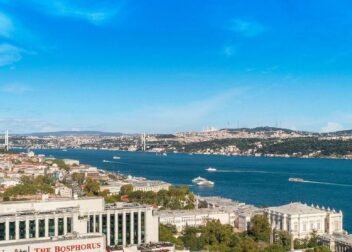
Istanbul is the principal maritime tourism centre in this region. Its waterfront palaces, historical neighbourhoods, waterfront restaurants and famous Bosphorus views create opportunities for private yacht tours, sightseeing cruises and luxury maritime experiences.
Black Sea
Turkey’s Black Sea coastline offers a different type of maritime experience.
The region is known for green mountains, traditional fishing communities, historic coastal settlements and distinctive local culture.
Although it is less developed for international leisure yachting than the Aegean and Mediterranean coasts, it offers opportunities for recreational boating, coastal excursions, fishing tourism and specialised sailing activities.
3. Major Yachting Destinations in Turkey
Turkey has several internationally recognised yachting destinations. Each offers a different combination of marina facilities, sailing routes, accommodation, restaurants and coastal attractions.
3.1 Bodrum
Bodrum is one of the most famous yachting destinations in the eastern Mediterranean.
Located on the Aegean coast of Muğla Province, Bodrum has a long maritime tradition and is internationally recognised for traditional gulet construction, luxury yacht charters and sophisticated marina facilities.
The town combines historical attractions, luxury accommodation, restaurants, nightlife and extensive maritime services.
Important yachting facilities include:
- Milta Bodrum Marina.
- D-Marin Turgutreis.
- Yalıkavak Marina.
Yalıkavak Marina is particularly associated with luxury yachts, superyachts, high-end shopping, waterfront dining and international visitors.
Bodrum is also a major starting point for Blue Cruises through the Gulf of Gökova and the surrounding Aegean coastline.
3.2 Marmaris
Marmaris is among Turkey’s most established yacht charter and sailing destinations.
Its location between the Aegean and Mediterranean regions makes it an excellent starting point for longer sailing holidays.
Marmaris offers:
- Large marina facilities.
- Yacht charter and brokerage companies.
- Boat maintenance and repair services.
- Traditional gulet excursions.
- Sailing schools and yacht clubs.
- Restaurants, hotels and entertainment facilities.
Important marina facilities include Netsel Marina and Marmaris Yacht Marina.
The surrounding coastline provides access to beautiful destinations such as Turunç, Kumlubük, Selimiye, Bozburun, Orhaniye and Hisarönü Gulf.
Marmaris is particularly popular with international sailing visitors and charter companies.
3.3 Göcek
Göcek is one of the most prestigious yacht destinations in Turkey.
Situated in a naturally sheltered bay, Göcek is particularly popular among private yacht owners, sailing enthusiasts and luxury charter customers.
The area is famous for its numerous islands, secluded bays, clear water and calm anchorages.
Major marina facilities include:
- D-Marin Göcek.
- Skopea Marina.
- Göcek Village Port.
- Club Marina.
- Municipal marina facilities.
The famous Twelve Islands area is one of the principal attractions for yacht excursions.
Göcek is especially suitable for families, couples and visitors looking for peaceful sailing holidays away from heavily developed resort centres.
3.4 Fethiye
Fethiye is another major centre of Turkish maritime tourism.
The destination offers a combination of natural landscapes, historical attractions, beaches, yacht charter services and marina infrastructure.
Popular attractions accessible through yacht excursions include:
- Ölüdeniz and its famous Blue Lagoon.
- Butterfly Valley.
- Gemiler Island.
- St Nicholas Island.
- Kızılada.
- The Gulf of Fethiye.
- The surrounding coastal villages.
Fethiye is a particularly important departure point for Blue Cruises towards Göcek, Marmaris, Kaş and Antalya.
3.5 Antalya
Antalya is one of the largest tourism centres in Turkey and an important location for maritime tourism.
The city’s historical harbour, modern tourism infrastructure and extensive Mediterranean coastline create opportunities for yacht excursions and private boat charters.
Important facilities include Antalya Marina and the historic Kaleiçi harbour area.
The surrounding region offers access to:
- Kemer.
- Phaselis.
- Olympos.
- Çıralı.
- Adrasan.
- Kaş.
- Kalkan.
- Kekova.
Antalya is particularly suitable for visitors combining traditional holidays in luxury resorts with private yacht experiences.
3.6 Kaş and Kalkan
Kaş and Kalkan are attractive destinations for smaller yacht charters, sailing holidays and coastal exploration.
The region is known for:
- Clear Mediterranean waters.
- Diving and snorkelling.
- Small natural bays.
- Traditional harbour restaurants.
- Historical Lycian settlements.
- Private boat excursions.
One of the region’s most important attractions is Kekova, famous for its archaeological remains and the partially submerged ancient settlement known as the Sunken City.
3.7 Çeşme and Alaçatı
Çeşme and Alaçatı are important destinations for recreational sailing and water sports.
The region is especially popular with windsurfers and kitesurfers because of its favourable wind conditions.
Çeşme Marina provides modern facilities for recreational boats and yachts.
The area is also known for beaches, boutique hotels, restaurants, nightlife and international sailing events.
3.8 İstanbul
Istanbul offers a completely different yachting experience.
The Bosphorus is one of the world’s most recognisable waterways, separating Europe and Asia.
Private yacht cruises provide views of:
- Dolmabahçe Palace.
- Çırağan Palace.
- Ortaköy Mosque.
- Rumeli Fortress.
- Anadolu Fortress.
- Maiden’s Tower.
- Historic waterfront mansions.
Istanbul is particularly attractive for short private yacht excursions, romantic cruises, corporate events, celebrations and luxury sightseeing.
Major recreational boating facilities include Ataköy Marina and Kalamış & Fenerbahçe Marina.
3.9 Kuşadası and Didim
Kuşadası and Didim are important destinations for recreational boating and yacht tourism.
Kuşadası provides access to the historical attractions of Ephesus, while Didim is known for its beaches, marina facilities and proximity to the ancient Temple of Apollo.
Didim Marina, also known as D-Marin Didim, is an important facility for sailing and motor yachts.
The region is suitable for visitors interested in combining sailing with archaeological tourism, beach holidays and coastal exploration.
3.10 Datça and Bozburun
The Datça Peninsula and Bozburun are particularly important for traditional Turkish yachting.
These destinations offer a quieter maritime environment than the major resort towns.
Their attractions include:
- Natural bays and secluded anchorages.
- Traditional wooden boatbuilding.
- Small fishing villages.
- Unspoilt beaches.
- Local seafood restaurants.
- Historical ruins and archaeological sites.
Bozburun is particularly famous for its traditional gulet construction industry. Visitors can discover local boatyards and observe the craftsmanship involved in building wooden yachts.
4. Types of Yachts Available in Turkey
Turkey offers a diverse range of vessels for recreational boating, private charters and luxury maritime tourism.
The different yacht categories appeal to different customer groups, budgets and holiday preferences.
4.1 Traditional Gulets
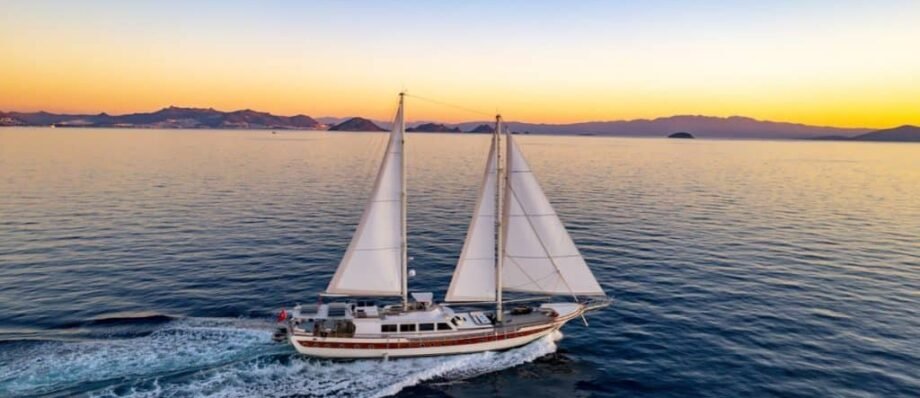
Gulets are among the most recognisable symbols of Turkish maritime tourism.
These traditional wooden vessels were historically used for fishing, transportation and coastal trade. Today, they are primarily associated with leisure cruising and Blue Voyage holidays.
Typical characteristics include:
- Wooden construction.
- Wide decks and comfortable outdoor spaces.
- Private guest cabins.
- Bathrooms and showers.
- Indoor and outdoor dining areas.
- Professional crew.
- Swimming platforms and water sports equipment.
Modern gulets range from relatively simple traditional vessels to highly luxurious custom-built yachts.
They are particularly popular with families, groups of friends, couples and private charter customers.
4.2 Luxury Motor Yachts
Motor yachts are designed for comfortable cruising at higher speeds than traditional sailing vessels.
They are popular for private holidays, exclusive excursions and luxury coastal exploration.
Their features may include:
- Spacious cabins and suites.
- Air conditioning.
- Modern entertainment systems.
- Professional crew.
- Large sunbathing decks.
- Water toys and swimming platforms.
- Gourmet catering.
- Private dining areas.
Motor yachts are especially popular in Bodrum, Göcek, Marmaris, Antalya and Istanbul.
4.3 Sailing Yachts
Sailing yachts offer a more traditional sailing experience.
They are suitable for people who enjoy navigation, wind-powered travel and spending extended periods at sea.
They are available in different sizes, from small recreational sailboats to large luxury sailing yachts.
Many charter companies provide sailing yachts with or without a professional skipper, depending on the customer’s qualifications and the vessel’s requirements.
4.4 Catamarans
Catamarans have two parallel hulls and are particularly popular for family sailing holidays.
Their principal advantages include:
- Greater deck space.
- Wide living areas.
- Relatively stable movement.
- Spacious cabins.
- Comfortable outdoor dining.
- Shallow draft on many models.
They are frequently selected by groups who want to combine sailing with comfortable accommodation.
4.5 Superyachts and Megayachts
Turkey is also an important destination for the international superyacht market.
Superyachts provide premium accommodation and services for wealthy individuals, families, corporate groups and international charter guests.
They may feature:
- Multiple luxury suites.
- Professional hospitality crews.
- Private chefs.
- Swimming pools.
- Gyms and wellness facilities.
- Cinema and entertainment rooms.
- Helicopter landing facilities on suitable vessels.
- Tenders and extensive water sports equipment.
Yalıkavak, Göcek, Bodrum, Marmaris and Antalya are among the most relevant destinations for this market.
4.6 Small Boats and Day-Trip Vessels
Small boats play an important role in Turkey’s wider maritime tourism economy.
They are used for:
- Daily sightseeing excursions.
- Fishing trips.
- Diving activities.
- Snorkelling excursions.
- Private beach visits.
- Island exploration.
- Sunset cruises.
These services make maritime tourism accessible to visitors who do not want to rent a yacht for several days.
5. The Blue Cruise: Turkey’s Signature Yachting Experience
The Blue Cruise, or Mavi Yolculuk, is one of the most distinctive tourism products associated with Turkey.
Unlike conventional resort holidays, a Blue Cruise allows visitors to explore different coastal destinations while staying aboard a yacht.
The vessel becomes both transportation and accommodation.
Passengers can wake up in a secluded bay, swim in clear water, visit ancient ruins, enjoy freshly prepared Turkish food and spend the evening anchored near a picturesque coastal settlement.
What makes the Blue Cruise special?
The Blue Cruise combines several tourism experiences:
- Maritime exploration.
- Coastal and beach tourism.
- Cultural and archaeological tourism.
- Gastronomy.
- Nature and landscape tourism.
- Relaxation and wellness.
- Family and group holidays.
The traditional gulet is the most recognisable vessel associated with this type of holiday.
Popular Blue Cruise routes
Bodrum – Gulf of Gökova – Bodrum
This is one of the classic Turkish Blue Cruise routes.
Typical destinations include:
- Karaada (Black Island).
- Pabuç Burnu.
- Kargıcık Bay.
- Çökertme.
- Seven Islands.
- English Harbour.
- Sedir Island (Cleopatra Island).
- Karacasöğüt.
The route combines natural landscapes, historical attractions, swimming locations and peaceful anchorages.
Marmaris – Hisarönü Gulf – Marmaris
This route is particularly attractive for travellers interested in traditional villages and quieter coastal areas.
Possible stops include:
- Selimiye.
- Orhaniye.
- Bozburun.
- Dirsekbükü.
- Bencik Bay.
- Söğüt.
- Kızkumu.
The region is known for its clear waters, small restaurants, natural harbours and traditional coastal atmosphere.
Fethiye – Göcek – Fethiye
This is one of the most popular short Blue Cruise itineraries.
Possible stops include:
- Yassıca Islands.
- Tersane Island.
- Kızılada.
- Bedri Rahmi Bay.
- Cleopatra’s Bath.
- Göcek Island.
- Domuz Island.
The route is particularly suitable for families and visitors who prefer shorter sailing distances.
Fethiye – Kekova – Kaş
This route offers a combination of natural beauty and Lycian historical heritage.
Possible stops include:
- Ölüdeniz.
- Butterfly Valley.
- Gemiler Island.
- Kaş.
- Üçağız.
- Simena (Kaleköy).
- Kekova.
- The Sunken City area.
Some archaeological areas have special access restrictions, and visitors should respect local navigation and swimming regulations.
Bodrum – Datça – Marmaris
This longer itinerary connects several important Aegean and Mediterranean yachting destinations.
It can include:
- Bodrum.
- Knidos.
- Datça.
- Palamutbükü.
- Selimiye.
- Bozburun.
- Marmaris.
It is suitable for travellers looking for a longer coastal holiday.
Typical duration of Blue Cruises
| Cruise type | Typical duration |
|---|---|
| Daily yacht excursion | 4–10 hours |
| Weekend cruise | 2–3 days |
| Short Blue Cruise | 4–5 days |
| Standard Blue Cruise | 7 days |
| Extended Blue Cruise | 10–14 days |
| Long private charter | 2–4 weeks |
The actual duration depends on the route, vessel, weather and passenger preferences.
6. Marina Infrastructure and Yacht Facilities
Marinas are among the most important components of Turkey’s yachting industry.
They provide facilities for yacht owners, charter companies, sailing visitors and international vessels.
The Turkish Ministry of Culture and Tourism identifies established marina destinations along the Aegean and Mediterranean coasts, including İzmir, Çeşme, Kuşadası, Bodrum, Datça, Bozburun, Marmaris, Göcek, Fethiye, Kaş, Kalkan, Finike, Kemer and Antalya.
Important marinas in Turkey
| Marina | Location | Main characteristics |
|---|---|---|
| Yalıkavak Marina | Bodrum | Luxury yachts and superyachts |
| Milta Bodrum Marina | Bodrum | Central marina and yacht services |
| D-Marin Turgutreis | Bodrum | International sailing and marina facilities |
| Netsel Marina | Marmaris | Yacht charter and marina services |
| Marmaris Yacht Marina | Marmaris | Yacht maintenance and long-term berthing |
| D-Marin Göcek | Göcek | Luxury marina and sailing tourism |
| Skopea Marina | Göcek | Recreational yacht facilities |
| Ece Saray Marina | Fethiye | Central marina and hospitality |
| Setur Antalya Marina | Antalya | Mediterranean yacht facilities |
| Kaleiçi Yacht Port | Antalya | Historic harbour location |
| Çeşme Marina | Çeşme | Aegean sailing and tourism |
| D-Marin Didim | Didim | Recreational boating and yacht services |
| Setur Kuşadası Marina | Kuşadası | Yacht berthing and coastal tourism |
| Ataköy Marina | Istanbul | Bosphorus and Sea of Marmara access |
| Kalamış & Fenerbahçe Marina | Istanbul | Recreational boating and sailing |
Facilities, capacities and services can change. Marina operators should be consulted directly for current berthing information.
Services offered by Turkish marinas
Modern marinas generally provide some combination of:
- Yacht berthing and mooring.
- Electricity and freshwater.
- Fuel stations.
- Waste collection.
- Security and surveillance.
- Technical maintenance.
- Boat lifting and launching.
- Hull cleaning.
- Engine repairs.
- Chandlery and marine equipment.
- Restaurants and cafés.
- Shower and laundry facilities.
- Wi-Fi and communication services.
- Customs and port-agent assistance where available.
Yacht maintenance and refit facilities
Turkey has developed a considerable yacht maintenance and repair sector.
The main activities include:
- Engine maintenance.
- Electrical and electronic repairs.
- Hull and structural work.
- Painting and polishing.
- Fibreglass repairs.
- Wooden boat restoration.
- Interior refurbishment.
- Navigation equipment installation.
- Winter storage and preparation.
The availability of skilled technicians, boatbuilders and marine engineers makes Turkey an attractive destination for yacht owners seeking maintenance and refit services.
7. Yacht Charter Industry in Turkey
Yacht chartering is one of the most important commercial activities within Turkey’s maritime tourism industry.
It allows visitors to enjoy private or shared yacht holidays without purchasing and maintaining their own vessels.
The charter market serves several different customer segments.
Bareboat yacht charter
A bareboat charter involves renting a yacht without a professional crew.
The customer assumes responsibility for operating and navigating the vessel.
This option is popular among experienced sailors who hold the necessary qualifications and satisfy the charter company’s requirements.
Bareboat charters are particularly common around Göcek, Marmaris, Fethiye and Bodrum.
Skippered yacht charter
A skippered charter includes a professional captain who operates the vessel.
It is ideal for travellers who want to experience sailing without taking responsibility for navigation.
The skipper may also recommend anchorages, restaurants, swimming locations and coastal attractions.
Crewed yacht charter
A fully crewed yacht charter provides a more comprehensive hospitality experience.
Depending on the vessel, the crew may include:
- Captain.
- Deckhands.
- Chef.
- Steward or stewardess.
- Engineer.
- Water sports personnel.
This service is popular with families, couples, corporate groups and luxury travellers.
Private gulet charter
Private gulet charters are among the most recognisable Turkish tourism products.
A group rents an entire vessel, usually with a captain and crew, and follows a prearranged itinerary.
Guests can customise their daily activities, meals, sailing schedule and overnight stops.
Cabin charter
Cabin charter holidays allow individual travellers or couples to reserve a cabin aboard a shared gulet.
This arrangement makes longer sailing holidays more accessible to people who do not want to rent an entire yacht.
It is particularly suitable for solo travellers, couples and smaller groups.
Yacht charter services and supporting businesses
The charter industry creates demand for a wide range of specialised services:
- Yacht brokerage.
- Charter management.
- Booking and reservation services.
- Crew recruitment.
- Yacht provisioning.
- Catering.
- Transfers between airports and marinas.
- Excursion organisation.
- Water sports equipment rental.
- Travel insurance.
- Technical assistance.
These services create an interconnected tourism ecosystem around Turkey’s coastal destinations.
8. Luxury Yachting and Superyacht Tourism
Luxury yachting represents one of the highest-value segments of Turkey’s maritime tourism industry.
International visitors increasingly use private yachts as a way to experience coastal destinations while enjoying privacy, personalised hospitality and flexible itineraries.
Luxury yacht experiences
Depending on the yacht and charter arrangement, guests may enjoy:
- Private chefs and personalised menus.
- Luxury accommodation.
- Spa and wellness services.
- Personal fitness facilities.
- Water sports and diving.
- Private beach excursions.
- Exclusive restaurant reservations.
- Private transfers.
- Special events and celebrations.
Popular destinations for luxury yachts
Bodrum: Known for luxury hospitality, sophisticated nightlife, premium marinas and exclusive beach clubs.
Göcek: Particularly attractive for private yacht owners and visitors seeking secluded bays.
Marmaris: Offers a combination of large marinas, technical services and attractive cruising routes.
Antalya: Combines luxury resorts, international tourism and Mediterranean yacht excursions.
Istanbul: Offers exclusive Bosphorus cruises and luxury waterfront experiences.
Superyacht construction and refitting
Turkey’s importance in the international luxury yacht market extends beyond tourism.
The country is a significant superyacht-building nation, with shipyards producing custom-designed vessels for international clients.
The Turkish Chamber of Shipping’s 2024 Maritime Sector Report recorded 146 superyacht projects totalling 6,410 metres in the Turkish order book, placing Turkey second internationally by total length of projects on order in that report. Deniz Ticaret Odası
This industrial strength supports tourism by creating specialist employment, technical expertise, maintenance facilities and an international network of yacht owners and maritime professionals.
9. Yacht Building and Shipbuilding Industry in Turkey
Turkey is not only a yacht tourism destination but also an important international yacht manufacturing centre.
Its shipyards produce traditional wooden gulets, sailing yachts, motor yachts, custom-built superyachts and specialised marine vessels.
Main yacht construction centres
Istanbul and Tuzla
Istanbul and the surrounding Tuzla shipyard area are important centres for modern yacht construction, engineering and refitting.
They have developed a strong concentration of shipyards, marine suppliers, designers and technical companies.
Antalya
Antalya is an important location for luxury yacht construction and marine services.
The region benefits from its Mediterranean location and established tourism infrastructure.
Bodrum
Bodrum is particularly associated with traditional wooden gulets and custom-built recreational yachts.
Its boatbuilding heritage is an important element of the region’s maritime identity.
Yalova
Yalova has a significant shipbuilding and repair industry and contributes to Turkey’s wider marine manufacturing capabilities.
Turkish yacht manufacturing strengths
The industry benefits from:
- Experienced craftsmen.
- Naval architecture and engineering expertise.
- Established shipyard infrastructure.
- Traditional wooden boatbuilding knowledge.
- International design collaborations.
- Marine equipment suppliers.
- Competitive manufacturing capabilities.
- Repair and refit experience.
The Ministry of Transport and Infrastructure identifies Turkey as one of the leading countries in superyacht construction, with extensive shipbuilding, maintenance and repair capabilities. maritime.
Traditional gulet craftsmanship
The construction of traditional gulets remains an important part of the Turkish yacht industry.
Wooden boatbuilding involves specialised skills in:
- Timber selection.
- Hull construction.
- Structural reinforcement.
- Deck installation.
- Interior woodworking.
- Marine finishing.
- Navigation and engine installation.
The craftsmanship associated with Bodrum and Bozburun contributes to the international reputation of Turkish maritime tourism.
10. Sailing Season and Climate Conditions
Turkey has a relatively long sailing season, particularly along the southern Aegean and Mediterranean coasts.
The main recreational yachting season generally runs from April to November, although the best period depends on the destination, vessel and type of holiday.
Monthly sailing overview
| Month | Sailing conditions | Tourism activity |
|---|---|---|
| January | Winter conditions | Limited recreational chartering |
| February | Winter conditions | Maintenance and winter storage |
| March | Early spring | Preparations and occasional sailing |
| April | Mild spring weather | Beginning of charter season |
| May | Warm and generally pleasant | Increasing yacht activity |
| June | Warm summer weather | High charter demand |
| July | Hot and busy | Peak tourism season |
| August | Very hot and busy | Peak charter demand |
| September | Warm sea and pleasant weather | Excellent sailing period |
| October | Mild autumn weather | Extended charter opportunities |
| November | Changing weather | Reduced activity |
| December | Winter conditions | Maintenance and storage |
Wind conditions
The Aegean is influenced by the Meltemi, a seasonal northerly wind that becomes particularly important during summer.
The Meltemi can provide excellent sailing conditions for experienced sailors, but it can also create challenging sea conditions, particularly in exposed areas.
The Mediterranean coast often provides more sheltered routes, although local winds and changing weather systems must always be considered.
Best time for different yacht holidays
- Family gulet holidays: May, June and September.
- Luxury motor yacht charters: June to September.
- Experienced sailing holidays: May to October, depending on route and weather.
- Peaceful coastal exploration: April, May, September and October.
- Superyacht visits: Primarily the main summer season, with some activity outside it.
Weather forecasts, local navigation warnings and professional captain advice should always determine the final sailing schedule.
11. Activities and Experiences Available During Yacht Holidays
Yacht tourism offers much more than transportation between coastal destinations.
Visitors can participate in numerous recreational, cultural and gastronomic activities.
Swimming and snorkelling
Turkey’s coastal waters provide many opportunities for swimming and snorkelling.
The clear waters around Göcek, Kaş, Kekova, Fethiye and Bodrum are especially attractive.
Scuba diving
Kaş is one of Turkey’s most recognised diving destinations.
Its underwater attractions include reefs, caves, archaeological remains and interesting marine environments.
Other diving locations include Fethiye, Bodrum, Marmaris and Antalya.
Fishing
Recreational fishing can be arranged through specialised charter operators.
Depending on local rules, season and vessel arrangements, visitors may enjoy coastal fishing experiences with professional guidance.
Water sports
Many luxury yachts and charter vessels offer water sports equipment, including:
- Paddleboards.
- Kayaks.
- Water skis.
- Wakeboards.
- Inflatable water toys.
- Snorkelling equipment.
- Seabobs on selected luxury yachts.
The availability of equipment depends on the vessel and charter package.
Gastronomy
Food is an important element of Turkish yacht holidays.
Guests can enjoy freshly prepared Turkish and Mediterranean dishes, seafood, olive oil-based meals, seasonal vegetables, fruit and traditional desserts.
Many private yacht charters provide personalised catering and menus.
Historical exploration
The Turkish coastline is particularly rich in archaeological heritage.
Yacht visitors can explore ancient settlements and historical sites, including:
- Knidos.
- Kaunos.
- Phaselis.
- Olympos.
- Patara.
- Simena.
- Myra.
- Ephesus, through land excursions from nearby ports.
Photography and nature tourism
The combination of mountains, islands, clear water, historic ruins and traditional coastal settlements makes yacht holidays particularly attractive to photography enthusiasts.
Sunrise and sunset cruises also provide excellent opportunities for landscape photography.
12. Yacht Tourism and Other Tourism Industries
Yachting is closely connected with many other sectors of Turkey’s tourism economy.
Its economic contribution extends beyond the direct revenue generated by yacht rentals.
Accommodation industry
Yacht visitors frequently combine their sailing holidays with stays in hotels, resorts, villas and boutique accommodation.
They may spend several nights in Bodrum, Istanbul, Antalya, Marmaris or Fethiye before or after their cruise.
Restaurant and gastronomy industry
Marina restaurants, coastal taverns, seafood establishments and luxury dining venues benefit from yacht tourism.
Many yachts also purchase fresh ingredients and catering services from local suppliers.
Aviation and airport transportation
Yacht tourism creates demand for airport transfers and private transportation.
Important airports serving major yachting regions include:
| Airport | Main yachting destinations |
|---|---|
| Milas–Bodrum Airport (BJV) | Bodrum and surrounding peninsula |
| Dalaman Airport (DLM) | Göcek, Fethiye and Marmaris |
| Antalya Airport (AYT) | Antalya, Kemer and surrounding coast |
| İzmir Adnan Menderes Airport (ADB) | İzmir, Çeşme and nearby destinations |
| İstanbul Airport (IST) | Istanbul and Bosphorus |
| Sabiha Gökçen Airport (SAW) | Istanbul and surrounding marinas |
Rent-a-car and private transfers
Ground transportation is particularly important for yacht passengers.
Services include:
- Airport-to-marina transfers.
- Luxury vehicle rentals.
- Chauffeur-driven transportation.
- Transfers between coastal towns.
- Excursions to historical attractions.
- Transportation for yacht crews.
- Provisioning and shopping transportation.
This creates opportunities for car rental companies and private transfer operators to work directly with marinas, yacht charter agencies and travel businesses.
Shopping and entertainment
Luxury yacht guests often spend money at coastal shopping centres, boutiques, restaurants, beach clubs and entertainment venues.
Bodrum and Istanbul are particularly important destinations for this segment.
Tourism agencies and travel operators
Travel agencies organise packages combining accommodation, yacht charters, airport transfers, excursions and other tourism services.
This makes yachting an attractive product for international tour operators and specialist travel companies.
13. Regulations for Yacht Tourism in Turkey
Yacht operations in Turkey are subject to maritime, customs, immigration, tourism and safety regulations.
The applicable requirements depend on the vessel’s flag, registration, commercial or private status, passengers, intended activities and length of stay.
International visitors planning to bring their own yachts should understand the main administrative procedures before entering Turkish waters.
Foreign-flagged yacht entry procedures
Foreign-flagged yachts entering Turkey generally need to complete the relevant formalities at an authorised maritime border port.
These procedures may involve:
- Customs clearance.
- Immigration and passport procedures.
- Port authority formalities.
- Vessel registration documentation.
- Crew and passenger declarations.
- A cruising permit or Transit Log.
Turkey’s Ministry of Culture and Tourism publishes information about foreign yacht entry and departure procedures and the ports authorised for these operations.
Transit Log
The Transit Log is an important document for foreign yachts navigating Turkish waters.
It records relevant vessel, crew, passenger and voyage information and is used in connection with the required entry, departure and cruising procedures.
The Turkish Ministry of Trade also provides information about Transit Log procedures and the electronic application system. https://ticaret.gov.tr+1
Cabotage regulations
Turkey has specific cabotage rules governing commercial activities between Turkish ports.
Private foreign-flagged yachts and commercially operated yachts are subject to different requirements.
In particular, foreign-flagged private yachts cannot simply operate as commercial passenger transportation businesses between Turkish ports. Commercial yacht operations must comply with the relevant licensing and maritime tourism regulations.
The Ministry of Culture and Tourism provides guidance on the application of cabotage rules to foreign-flagged yachts.
Commercial yacht charter requirements
Commercial charter operators must ensure that their vessels comply with applicable requirements concerning:
- Registration and certification.
- Commercial operating permissions.
- Passenger capacity.
- Safety equipment.
- Insurance.
- Crew qualifications.
- Navigation and communication equipment.
- Passenger documentation.
- Tourism-related licensing.
Requirements may differ according to vessel type and operating category.
Important: Regulations and administrative fees can change. Yacht owners, charter operators and international visitors should verify current requirements with the Turkish maritime authorities, customs offices, port authorities and qualified maritime agents before departure.
14. Safety and Security in Turkish Yachting
Safety is essential for the sustainable development of yacht tourism.
Although many Turkish coastal destinations offer sheltered bays and relatively favourable summer sailing conditions, maritime travel always involves potential risks.
Essential safety requirements
A properly equipped yacht should have:
- Life jackets for all passengers.
- Appropriate life-saving equipment.
- Fire extinguishers.
- First-aid equipment.
- Navigation lights.
- GPS and marine navigation systems.
- Radio communication equipment.
- Emergency signalling devices.
- Anchoring equipment.
- Appropriate safety documentation.
Professional crew
Experienced captains and crew members play an important role in passenger safety.
They are responsible for navigation, weather monitoring, vessel operation, emergency procedures and communication with port authorities.
Visitors renting yachts should ensure that the operator provides qualified personnel when required.
Weather and navigation
Weather conditions can change quickly, particularly in exposed Aegean waters.
Before departing, captains should consider:
- Wind strength and direction.
- Wave height.
- Visibility.
- Sea currents.
- Thunderstorms.
- Local navigation restrictions.
- Anchorage conditions.
The Meltemi requires particular attention during summer.
Environmental protection
Yacht operators and passengers should avoid:
- Throwing waste into the sea.
- Discharging untreated wastewater.
- Damaging underwater habitats.
- Anchoring on sensitive seagrass meadows.
- Disturbing marine wildlife.
- Removing archaeological objects.
- Entering restricted marine conservation zones.
Responsible boating helps preserve the natural attractions on which the industry depends.
15. Environmental Sustainability and the Future of Yachting
Environmental sustainability is becoming an increasingly important issue in international yachting.
The expansion of yacht tourism creates economic opportunities, but it also increases pressure on coastal ecosystems, marine habitats and marina infrastructure.
Turkey’s future competitiveness will depend partly on its ability to balance tourism growth with environmental protection.
Marine pollution
Yachts can contribute to marine pollution through:
- Improper waste disposal.
- Fuel and oil leakage.
- Wastewater discharge.
- Plastic pollution.
- Poor maintenance practices.
- Damage caused by inappropriate anchoring.
Marinas and charter operators must implement appropriate waste management and environmental procedures.
Protection of seagrass meadows
Seagrass ecosystems, particularly Posidonia oceanica in the Mediterranean, are important for marine biodiversity, water quality and carbon storage.
Anchors and chains can damage these habitats.
The use of designated mooring systems and environmentally responsible anchoring practices can help reduce this impact.
Renewable energy and electric yachts
Modern yacht manufacturers are increasingly exploring:
- Solar panels.
- Hybrid propulsion.
- Electric motors.
- Battery storage.
- More efficient hull designs.
- Energy management systems.
- Reduced-emission technologies.
Turkey’s established yacht-building industry provides opportunities to participate in this technological transition.
Sustainable marina development
Future marina investments can incorporate:
- Renewable electricity.
- Efficient water consumption.
- Wastewater treatment.
- Recycling systems.
- Shore power.
- Environmentally responsible construction.
- Marine habitat protection.
- Digital resource management.
Responsible yacht tourism
Sustainable yacht tourism also requires cooperation between charter companies, marina operators, local governments, environmental organisations and visitors.
The objective should be to preserve the natural and cultural heritage of Turkey’s coastline while maintaining the economic benefits of maritime tourism.
16. Economic Importance of the Yachting Industry in Turkey
The yachting industry contributes to Turkey’s economy through tourism expenditure, manufacturing, employment, services and international trade.
It is a specialised industry with connections to numerous economic sectors.
Direct economic contributions
The main sources of direct revenue include:
- Yacht rental and charter operations.
- Marina berthing fees.
- Yacht maintenance and repairs.
- Yacht construction and sales.
- Yacht brokerage.
- Crew employment.
- Fuel and provisioning.
- Daily boat excursions.
- Yacht management.
- Marine equipment sales.
Indirect economic contributions
The industry also supports businesses that do not operate yachts directly.
These include:
- Hotels and resorts.
- Restaurants and cafés.
- Car rental companies.
- Airport transfer operators.
- Travel agencies.
- Retail businesses.
- Food suppliers.
- Construction companies.
- Insurance providers.
- Financial and legal services.
- Marine engineering companies.
Employment opportunities
Yacht tourism creates employment for both highly specialised maritime professionals and general tourism workers.
Important occupations include:
| Profession | Main responsibilities |
|---|---|
| Yacht captain | Navigation and vessel management |
| Deckhand | Deck operations and maintenance |
| Marine engineer | Engine and technical systems |
| Yacht electrician | Electrical and electronic systems |
| Yacht chef | Food preparation and catering |
| Steward/stewardess | Hospitality and guest services |
| Marina manager | Marina operations |
| Yacht broker | Yacht sales and charter arrangements |
| Naval architect | Yacht design and engineering |
| Boatbuilder | Vessel construction |
| Diving instructor | Underwater tourism |
| Charter manager | Yacht rental operations |
| Marine technician | Maintenance and repairs |
| Travel consultant | Holiday and excursion planning |
International tourism expenditure
Yacht tourists can generate relatively high expenditure because their holidays often involve several complementary services.
For example, a private yacht charter may generate revenue for:
- The yacht operator.
- The marina.
- The crew.
- Food and beverage suppliers.
- Fuel providers.
- Restaurants.
- Hotels.
- Transportation companies.
- Excursion operators.
The economic impact can therefore extend across several coastal communities.
Yacht manufacturing and exports
The manufacturing industry adds another international dimension.
Turkish shipyards construct yachts for international clients, while specialist suppliers provide marine equipment, furniture, electrical systems and technical services.
This creates export opportunities and strengthens Turkey’s international reputation as a maritime manufacturing centre.
17. Marketing and International Promotion of Turkish Yachting
International marketing is essential for maintaining Turkey’s position in the global yacht tourism market.
The country competes with other Mediterranean destinations, including Greece, Croatia, Italy, France, Spain and Montenegro.
Its principal marketing advantages include traditional gulets, extensive cruising areas, historical attractions, modern marinas and a diversified yacht manufacturing industry.
Main international customer markets
Potential customer markets include:
- United Kingdom.
- Germany.
- France.
- Italy.
- Netherlands.
- Switzerland.
- Austria.
- United States.
- Scandinavian countries.
- Middle Eastern countries.
- Eastern European countries.
The relative importance of these markets varies according to the yacht category, season and destination.
Digital marketing
Online platforms have become particularly important for yacht tourism.
Charter operators, marinas and tourism agencies can attract international customers through:
- Search engine optimisation (SEO).
- Professional websites.
- Online yacht catalogues.
- Yacht availability systems.
- Social media marketing.
- Video presentations.
- Virtual yacht tours.
- International travel marketplaces.
- Multilingual content.
- Online booking services.
Destination branding
Turkey can promote different yachting experiences under complementary destination brands.
| Destination | Suggested tourism identity |
|---|---|
| Bodrum | Luxury yachting and traditional gulets |
| Göcek | Exclusive sailing and secluded bays |
| Marmaris | International yacht charter centre |
| Fethiye | Blue Cruise and adventure sailing |
| Antalya | Mediterranean luxury yacht holidays |
| Kaş | Diving and historical coastal exploration |
| Çeşme | Aegean sailing and water sports |
| Istanbul | Bosphorus luxury yacht experiences |
| Bozburun | Traditional wooden boatbuilding |
| Datça | Quiet coastal sailing and nature |
Yacht tourism packages
Travel companies can develop combined packages that include:
- Airport transfers.
- Hotel accommodation.
- Yacht rental.
- Private excursions.
- Restaurant reservations.
- Cultural tours.
- Diving activities.
- Car rental.
- Special celebrations.
These integrated products make Turkey attractive to visitors who want a complete holiday rather than a yacht rental alone.
18. Suggested Yacht Tourism Itineraries in Turkey
The following itineraries illustrate how international visitors can explore Turkey by yacht.
Itinerary 1: Seven-Day Bodrum and Gökova Blue Cruise
Duration: 7 days / 6 nights
| Day | Destination |
|---|---|
| 1 | Bodrum – Karaada |
| 2 | Pabuç Burnu – Çökertme |
| 3 | Seven Islands |
| 4 | English Harbour |
| 5 | Sedir Island |
| 6 | Karacasöğüt |
| 7 | Return to Bodrum |
Ideal for traditional gulet holidays, swimming, historical exploration and relaxation.
Itinerary 2: Seven-Day Fethiye and Göcek Sailing Holiday
Duration: 7 days / 6 nights
| Day | Destination |
|---|---|
| 1 | Fethiye |
| 2 | Ölüdeniz |
| 3 | Gemiler Island |
| 4 | Bedri Rahmi Bay |
| 5 | Yassıca Islands |
| 6 | Tersane Island |
| 7 | Göcek or Fethiye |
Ideal for families, couples and visitors interested in sheltered bays and beautiful swimming locations.
Itinerary 3: Seven-Day Marmaris and Hisarönü Gulf
Duration: 7 days / 6 nights
| Day | Destination |
|---|---|
| 1 | Marmaris |
| 2 | Kumlubük |
| 3 | Selimiye |
| 4 | Bozburun |
| 5 | Dirsekbükü |
| 6 | Orhaniye |
| 7 | Return to Marmaris |
Ideal for visitors seeking traditional coastal villages, quiet anchorages and local gastronomy.
Itinerary 4: Seven-Day Antalya and Kekova Coastal Cruise
Duration: 7 days / 6 nights
| Day | Destination |
|---|---|
| 1 | Antalya |
| 2 | Kemer |
| 3 | Phaselis |
| 4 | Olympos and Adrasan |
| 5 | Kaş |
| 6 | Kekova and Üçağız |
| 7 | Return or disembark at an agreed port |
Ideal for combining Mediterranean sailing with Lycian historical heritage.
These are illustrative routes rather than guaranteed daily sailing schedules. Actual itineraries depend on the yacht, weather, embarkation arrangements and applicable navigation restrictions.
19. Challenges Facing the Turkish Yachting Industry
Despite its considerable potential, Turkey’s yachting industry faces several challenges that could influence its future development.
International competition
Mediterranean countries compete for yacht owners, charter customers, superyacht visits and marina investments.
Greece, Croatia, Italy, France and Spain have established international reputations in the sector.
Turkey must continue improving service quality, infrastructure, international marketing and administrative efficiency.
Marina capacity
Demand for berthing facilities, particularly for larger yachts, can increase pressure on existing marina capacity.
Further investment in suitable infrastructure is important, especially in established destinations such as Bodrum, Göcek, Marmaris and Antalya.
Seasonal concentration
A significant proportion of yacht tourism takes place during the summer months.
Extending the season through spring and autumn tourism packages could improve the profitability of charter companies, marinas and related businesses.
Environmental pressures
Increasing recreational boating can place pressure on sensitive coastal ecosystems.
Waste management, anchoring practices, wastewater treatment and responsible marina development must remain priorities.
Skilled labour
The industry requires experienced captains, engineers, boatbuilders, hospitality professionals and technical specialists.
Investment in vocational education, maritime training and professional certification is essential.
Administrative procedures
Registration, licensing, taxation and other administrative procedures can influence the competitiveness of yacht ownership and commercial operations.
Clear regulations and efficient administrative services can help attract international investment.
20. Future Prospects of the Yachting Industry in Turkey
The long-term outlook for Turkey’s yachting industry is supported by its geographical position, maritime heritage, manufacturing capabilities and international tourism potential.
Several developments are likely to influence the sector in the coming years.
20.1 Expansion of luxury yacht tourism
The demand for personalised holidays and private maritime experiences creates opportunities for luxury yacht charter operators.
Bodrum, Göcek, Marmaris and Antalya are particularly well positioned to benefit from this segment.
20.2 Growth of the superyacht market
Turkey’s established yacht-building industry provides opportunities to expand superyacht construction, maintenance, refitting and charter-related services.
The country’s international manufacturing reputation is an important competitive advantage.
20.3 Digitalisation of yacht services
Technology is transforming how customers search for and book yacht holidays.
Future services may increasingly include:
- Real-time yacht availability.
- Online charter reservations.
- Digital contracts.
- Automated itinerary planning.
- Electronic payments.
- Digital marina management.
- Remote yacht monitoring.
- Artificial intelligence-assisted customer service.
20.4 Sustainable yacht manufacturing
Environmental considerations will influence future yacht design and construction.
Hybrid propulsion, electric systems, lightweight materials and improved energy efficiency are important areas of development.
20.5 Development of new marina projects
Additional investment in marinas and yacht infrastructure could strengthen Turkey’s ability to accommodate international vessels.
However, future development should take account of coastal planning, environmental impact and local community interests.
20.6 Longer tourism seasons
Turkey’s climate creates opportunities to promote spring and autumn sailing holidays.
Marketing April, May, September and October as attractive sailing periods could distribute tourism activity more evenly throughout the year.
20.7 Integration with cultural tourism
The Turkish coastline contains an extraordinary concentration of archaeological sites and historical settlements.
Combining yacht holidays with cultural tourism can create distinctive experiences that are difficult for competing destinations to reproduce.
21. Business and Investment Opportunities in Turkish Yachting
The industry offers opportunities not only to yacht manufacturers and charter operators but also to businesses in tourism, hospitality, transportation and specialised services.
Some of the most promising business categories include:
| Business category | Potential services |
|---|---|
| Yacht charter | Private and shared yacht rentals |
| Gulet tourism | Traditional Blue Cruise holidays |
| Yacht brokerage | Yacht sales and purchases |
| Marina management | Berthing and marina operations |
| Yacht maintenance | Technical repairs and refitting |
| Yacht construction | Custom yacht manufacturing |
| Yacht provisioning | Food, beverages and supplies |
| Luxury transportation | Airport and marina transfers |
| Yacht catering | Private chefs and catering |
| Crew recruitment | Captains and hospitality personnel |
| Diving tourism | Scuba diving and underwater excursions |
| Water sports | Equipment rental and instruction |
| Yacht management | Vessel administration and maintenance |
| Tourism agencies | Combined holiday packages |
| Marine technology | Navigation and communication systems |
| Yacht insurance | Vessel and passenger coverage |
Opportunities for travel agencies
Travel agencies can develop specialised yacht holiday products targeting different customer groups.
Examples include:
- Luxury yacht holidays for couples.
- Family gulet cruises.
- Honeymoon sailing packages.
- Private corporate yacht events.
- Group sailing holidays.
- Diving and sailing packages.
- Historical Blue Cruise tours.
- Long-stay yacht holidays.
- Yacht and hotel combinations.
Opportunities for transportation companies
Airport transfers and local transportation are important supporting services.
Companies operating in Bodrum, Dalaman, Antalya and İzmir can establish commercial relationships with marinas and yacht charter businesses.
Services can include private transfers, luxury vehicles, crew transportation and transportation of passengers between hotels and yacht departure points.
Opportunities for digital tourism businesses
Online platforms can connect international customers with yacht operators, marinas, accommodation providers and transportation companies.
A specialised Turkish yachting portal could include:
- Yacht listings.
- Gulet charter catalogues.
- Marina directories.
- Sailing routes.
- Destination guides.
- Online enquiries.
- Yacht availability.
- Transfer reservations.
- Local excursion bookings.
- Multilingual tourism content.
This type of platform could help promote smaller coastal destinations alongside internationally recognised yachting centres.
22. Practical Travel Guide for Yacht Tourists Visiting Turkey
Visitors planning a yacht holiday in Turkey should consider several practical issues before booking.
Choosing the right destination
The destination should match the type of holiday being planned.
- Bodrum: Luxury tourism, nightlife and traditional gulets.
- Göcek: Quiet sailing and beautiful natural bays.
- Marmaris: Yacht charter infrastructure and longer routes.
- Fethiye: Blue Cruises and coastal exploration.
- Antalya: Luxury resorts and Mediterranean excursions.
- Kaş: Diving and historical exploration.
- Çeşme: Sailing and windsurfing.
- Istanbul: Bosphorus yacht experiences.
Choosing the right yacht
Consider the following factors:
- Number of passengers.
- Number of cabins.
- Private or shared accommodation.
- Yacht size.
- Crew arrangements.
- Air conditioning.
- Catering arrangements.
- Water sports equipment.
- Fuel policy.
- Marina and port fees.
- Insurance.
- Cancellation policy.
What to pack
Recommended items include:
- Lightweight summer clothing.
- Swimwear.
- Sunglasses.
- Sun protection.
- Comfortable non-marking footwear.
- Personal medication.
- Waterproof bags.
- Light evening clothing.
- Identification and travel documents.
- A camera or mobile phone.
Booking considerations
Before confirming a yacht charter, customers should request a written agreement explaining:
- Total rental price.
- Included and excluded services.
- Deposit requirements.
- Payment arrangements.
- Fuel costs.
- Food and beverage arrangements.
- Port and marina expenses.
- Crew services.
- Cancellation conditions.
- Insurance coverage.
Airport and marina transfers
The distance between an airport and a marina can influence travel arrangements.
For example:
- Bodrum Airport serves the Bodrum Peninsula.
- Dalaman Airport serves Göcek, Fethiye and much of the Marmaris region.
- Antalya Airport serves Antalya and Kemer.
- İzmir Airport serves İzmir and Çeşme.
- Istanbul Airport and Sabiha Gökçen serve different parts of Istanbul.
Advance transfer arrangements are particularly useful for passengers joining a yacht charter on a fixed departure date.
23. Why Turkey Is an Important International Yachting Destination
Turkey’s international importance in yachting comes from the combination of several advantages.
Geographical diversity: The country offers extensive coastlines along four different seas, each with distinctive sailing environments.
Maritime heritage: Traditional gulet construction and the Blue Cruise have created a recognisable Turkish maritime tourism identity.
Modern infrastructure: Established marinas provide facilities for recreational boats, charter yachts and larger vessels.
Manufacturing capabilities: Turkish shipyards have developed a strong international reputation in yacht construction and refitting.
Tourism diversity: Yacht holidays can be combined with historical sightseeing, gastronomy, beach tourism, shopping and luxury accommodation.
Professional services: The industry includes experienced captains, boatbuilders, engineers, marina operators, charter companies and tourism professionals.
International accessibility: Major airports connect many of the country’s most important yachting destinations with international markets.
These advantages position Turkey as an important competitor in the international Mediterranean yacht tourism market.
The Future of Yachting and Maritime Tourism in Turkey
Turkey has developed one of the Mediterranean’s most diverse yachting environments, combining a long maritime tradition with modern tourism infrastructure, luxury hospitality and internationally competitive yacht manufacturing.
The country offers experiences for almost every category of maritime traveller, from visitors interested in traditional wooden gulet cruises to experienced sailors, families, private yacht owners and superyacht charter customers.
Bodrum remains one of the most recognisable centres of Turkish yachting, while Marmaris, Göcek and Fethiye provide extensive charter opportunities. Antalya, Kaş and Kekova offer attractive Mediterranean routes, and Istanbul provides an exceptional urban maritime experience through the Bosphorus.
Beyond tourism, Turkey’s yacht construction, maintenance, marina management and marine services industries contribute to a much wider economic ecosystem. These activities generate employment, support coastal communities, encourage international investment and create business opportunities in transportation, accommodation, gastronomy and specialised tourism services.
The future of the industry will depend on continued investment in marina infrastructure, professional training, digital services, international promotion and environmentally responsible maritime development.
With its combination of natural beauty, cultural heritage, traditional craftsmanship and modern yacht technology, Turkey has the potential to remain one of the most attractive destinations for sailing holidays, luxury yacht charters and international maritime tourism.
The Turkish Blue Cruise, in particular, remains a distinctive tourism experience: a journey through turquoise waters, ancient civilisations, traditional coastal villages and some of the most beautiful landscapes of the Mediterranean.